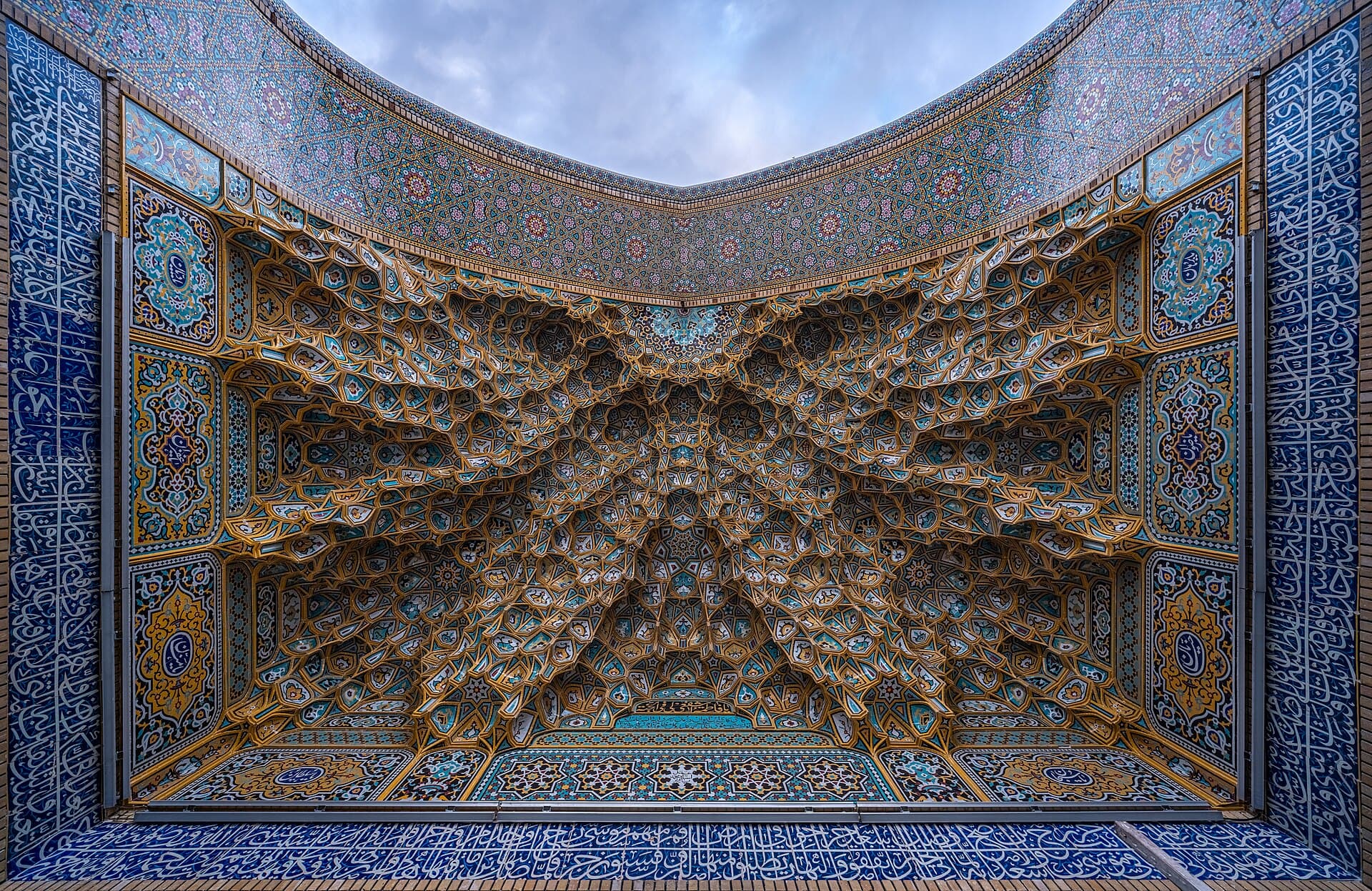
- Visit the Abadan Museum to see the history of the oil industry.
- Walk along the Arvand Rud (Shatt al-Arab) riverfront.
- See the Rangooniha Mosque, built for Burmese oil workers.
- Explore the bustling fish market (Bazar-e Mahi).
- Try the local spicy food—it's famous in Iran.
If you want, you can open the search in a new tab via Aviasales. Реклама. Go Travel Un Limited. ИНН 9909520797
When to go: Winter only
Visit in winter (November to March). The weather is mild and pleasant. Summers are brutally hot, often exceeding 50°C (122°F) with high humidity. It's not safe for sightseeing in summer.
Nowruz (Persian New Year, late March) is festive but busy.
- Winter: Perfect weather (15-25°C).
- Summer: Avoid due to extreme heat.
- Spring: Good, but can be crowded during holidays.
Getting there: Short taxi ride
Abadan International Airport (ABD) is very close to the city. Taxis are plentiful and cheap. There is no complex public transport from the airport, but a private taxi will cost very little.
Flights connect daily to Tehran and other major Iranian cities.
- Taxi: The standard way to get to town.
- Cost: Very affordable (usually under $2-3 USD).
- Bus: Not convenient for airport transfers.
Where to stay: Historic hotels
The Pars Hotel (formerly the Caravanserai Hotel) is the most famous place to stay. It has a history dating back to the pre-revolution oil boom era. It's a bit worn but full of character.
Azadi Hotel is another option. Don't expect ultra-luxury; standards are basic but comfortable.
- Pars Hotel: Historic atmosphere.
- Azadi Hotel: Standard option.
- Guest houses: Available but harder to book online.
What to see: Industry and Religion
The Rangooniha Mosque is unique—it was built in Indian/Burmese style for foreign oil workers in the 1920s. Nearby, you'll find the Armenian Church of Saint Karapet, situated right next to a mosque, symbolizing the city's history of tolerance.
The Abadan Museum offers a fascinating look at the oil industry and the Iran-Iraq war. The refinery itself is a massive industrial landmark, though you can only see it from the outside.
- Rangooniha Mosque: Unique architecture.
- Church of Saint Karapet: A symbol of coexistence.
- Abadan Museum: Oil and war history.
- Bazar-e Tah-e Lenj: Market for imported goods.
Food: Spicy and Southern
Abadan is famous for its spicy food, influenced by Indian and Arab cuisines. Street food is huge here: try Samosas and Falafel, which are sold everywhere.
For a main meal, order Ghalieh Mahi (spicy fish and herb stew) or Ghalieh Meygoo (shrimp stew). The fish is fresh from the river and gulf.
- Samosa & Falafel: The ultimate street snacks.
- Ghalieh Mahi: Spicy fish stew.
- Pakura: Fried vegetable fritters.
Getting around: Taxis
Shared taxis (savari) and private taxis (darbast) are the main way to get around. They are very cheap. You can hail them on any main street.
Walking is possible in the center, especially along the river or in the bazaar area.
- Taxi: Cheap and efficient.
- Walking: Good for the bazaar.
- Bus: Exists but confusing for tourists.
Budget: Very affordable
For foreign tourists, Iran is incredibly cheap due to the exchange rate. A good meal might cost $2-5. Hotels are also very reasonable.
Bring cash (Euros or USD) to exchange, as international credit cards do not work in Iran.
- Cash only: Credit cards don't work.
- Food: Very cheap.
- Transport: Negligible cost.
2 Days in Abadan
Explore the unique architecture and history on day one, then head to the markets and river on day two. A side trip to Khorramshahr is recommended to see the war museum.
Evenings are for street food and tea.
- Day 1: Rangooniha Mosque, Church, Abadan Museum.
- Day 2: Fish Market, Bazaar, and a walk by the Arvand Rud.
- Day 3: Short trip to Khorramshahr.
FAQ
Is it safe?
Generally yes. The war ended decades ago. However, check current travel advisories for border regions.
Can I visit the refinery?
No, it's a high-security facility. You can only see it from the outside.
Is alcohol available?
No. Alcohol is strictly illegal in Iran.
Do women need to wear a headscarf?
Yes, hijab is mandatory in public spaces in Iran.
What language do they speak?
Persian (Farsi), but many people in Abadan also speak Arabic.