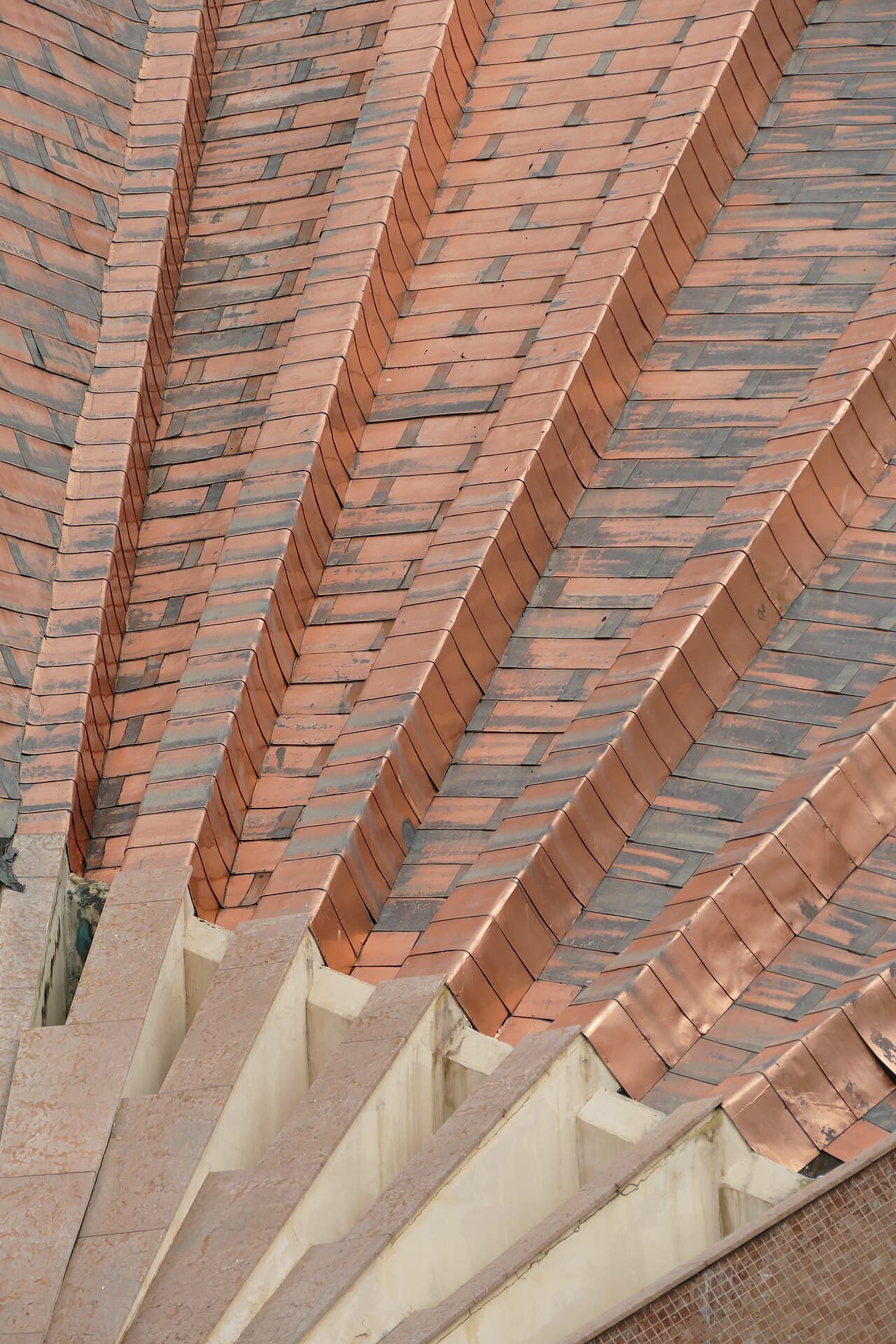
- See the National Mosque and National Christian Centre—architectural giants.
- Visit the Millennium Park for a peaceful walk.
- Shop for crafts at the Arts and Crafts Village (near Sheraton).
- Hike up Usuma Dam for great views.
- Drive past Aso Rock (you can't climb it, it's the Presidential Villa).
If you want, you can open the search in a new tab via Aviasales. Реклама. Go Travel Un Limited. ИНН 9909520797
When to go: Dry Season
November to February is the best time. It's the dry season (Harmattan), so it's cooler and less humid. The dust can be an issue, but it's better than the heavy rains.
Avoid June to September if you don't like daily downpours.
- Nov-Feb: Best weather.
- Dec: Calabar Carnival (nearby) season.
- Rainy Season: Lush but wet.
Getting there: Uber or Bolt
Nnamdi Azikiwe International Airport (ABV) is modern and efficient. The best way to get to the city (about 40 mins) is by official airport taxi (painted green) or ride-hailing apps like Uber and Bolt.
There is also a light rail train to the city center, but schedules can be erratic.
- Uber/Bolt: Recommended.
- Green Taxi: Official and safe.
- Train: Check if running.
Where to stay: Maitama or Wuse II
Maitama is the upscale diplomatic district—quiet, safe, and expensive. Wuse II is the commercial heart with the best restaurants, nightlife, and shopping.
Central Business District (CBD) has the big chain hotels (Hilton, Sheraton).
- Maitama: Luxury and embassies.
- Wuse II: Dining and buzz.
- CBD: Business hotels.
What to see: Architecture and Parks
The National Mosque (golden dome) and National Christian Centre (neo-gothic) are stunning. You can usually visit inside outside of prayer times.
Millennium Park is the largest green space in the city, perfect for a picnic. Jabi Lake offers boat rides and a large mall for shopping.
- National Mosque: Iconic landmark.
- Millennium Park: Green oasis.
- Jabi Lake: Leisure and shopping.
- Arts & Crafts Village: Souvenirs.
Food: Suya and Jollof
You must try Suya (spicy grilled meat skewers)—the best spots are often roadside stalls at night (try Yahuza Suya).
Jollof Rice is the national obsession. Also try Kilishi (dried spicy beef jerky) and Pounded Yam with Egusi soup.
- Suya: Spicy beef skewers.
- Kilishi: Beef jerky (great souvenir).
- Jollof Rice: The king of rice dishes.
Getting around: Ride Apps
Abuja is built for cars. Walking is difficult due to distances and lack of sidewalks in some areas. Uber and Bolt are reliable, safe, and cheap by Western standards.
Green taxis are also good, but agree on a price first.
- Uber/Bolt: Best option.
- Green Taxi: Good alternative.
- Walking: Only in parks.
Budget: Expensive Hotels
Accommodation in Abuja is surprisingly expensive for what you get. Budget $100+ for a decent room.
Food and transport are relatively affordable.
- Hotels: Pricey.
- Food: Affordable.
- Transport: Cheap.
2 Days in Abuja
See the grand buildings and relax by the lake. It's a city for business and leisure, not intense sightseeing.
Evenings are for Suya and strolling in Wuse II.
- Day 1: National Mosque, Christian Centre, Millennium Park.
- Day 2: Jabi Lake Mall, boat ride, and Arts & Crafts Village.
FAQ
Is it safe?
Abuja is generally safer than Lagos or other parts of Nigeria. However, stay alert and avoid traveling at night on outskirts.
Can I take photos?
Be careful. Taking photos of government buildings (Aso Rock, Ministries, Police) is strictly forbidden and can get you arrested.
Is it expensive?
Yes, especially hotels and expat restaurants.
What is Aso Rock?
It's a massive 400-meter monolith. The Presidential Villa is located at its foot.
Do I need cash?
Yes, for markets and taxis. Cards work in malls and hotels.