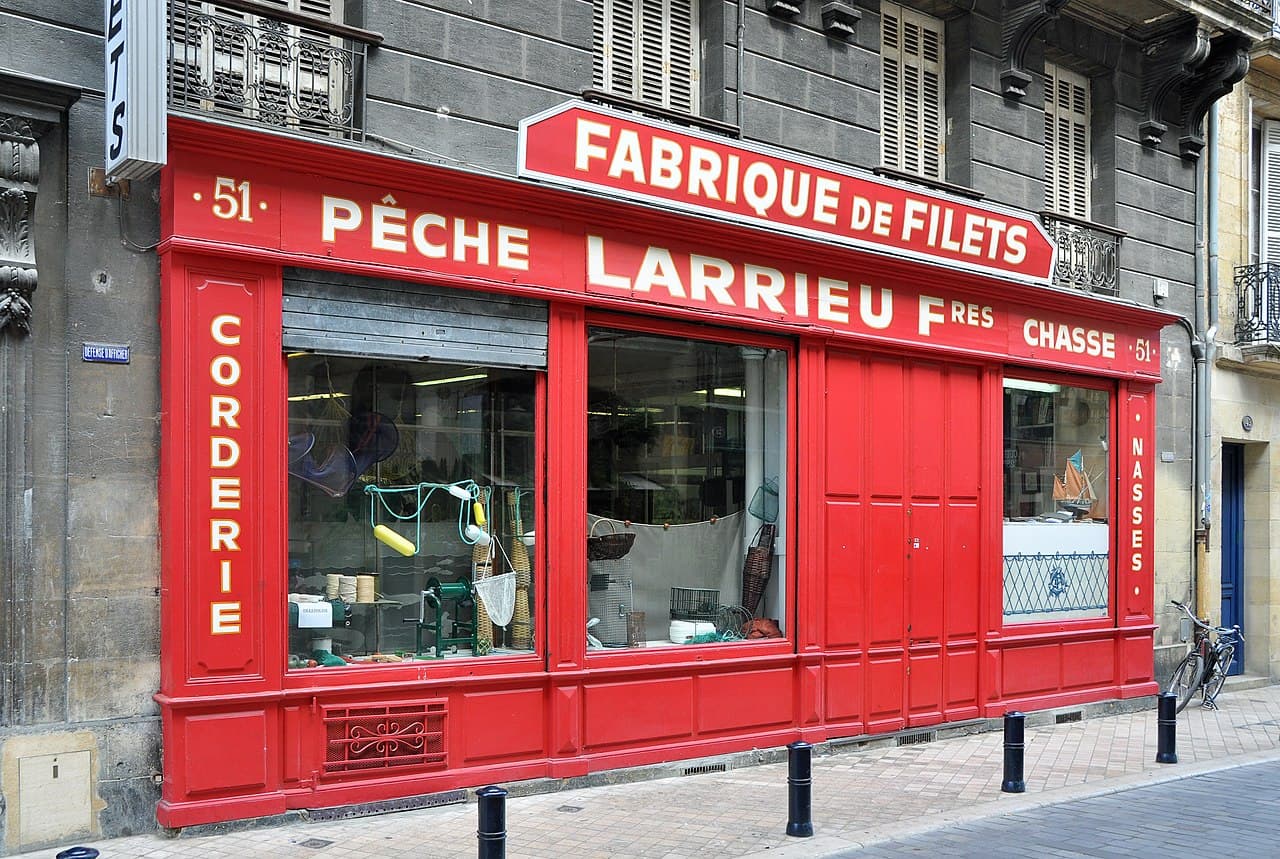
- The city center is UNESCO-listed and incredibly beautiful.
- Wine is everywhere, but you don't need to be an expert to enjoy it.
- The tram system is excellent and makes getting around easy.
- It's a very walkable city, especially along the Garonne river.
- Book a wine tour to Saint-Émilion if you have an extra day.
If you want, you can open the search in a new tab via Aviasales. Реклама. Go Travel Un Limited. ИНН 9909520797
When to go: Harvest season or Spring
September and October are magical—it's harvest time in the vineyards, and the weather is often warm and sunny. Spring (May-June) is also lovely with blooming flowers and mild temperatures.
Summer can be hot, but the city handles it well. Winter is quiet and can be damp, but the wine bars are cozy.
- Autumn: Harvest vibes and great weather.
- Spring: Beautiful and fresh.
- Summer: Busy but lively.
Airport to City: Tram is king
The Tram A line now connects Bordeaux-Mérignac Airport (BOD) directly to the city center. It takes about 35-40 minutes and is cheap and easy. Just buy a ticket at the machine.
There's also a shuttle bus (Navette) to the train station, but the tram is usually more convenient if you're staying centrally.
- Tram A: Direct, cheap, and easy.
- Shuttle Bus: Direct to train station.
- Taxi: Expensive (around €50+), use only if necessary.
Where to stay: Left Bank or Chartrons
The 'Golden Triangle' (near the Grand Théâtre) is the fancy heart of the city. It's beautiful but pricey. For a cooler, more village-like vibe, try Chartrons—it's full of antique shops and bistros.
Saint-Pierre is the historic medieval district, great for nightlife and restaurants, but can be noisy. Saint-Michel is up-and-coming, multicultural, and cheaper.
- Golden Triangle: Upscale and central.
- Chartrons: Chic, wine merchants, and antiques.
- Saint-Pierre: Lively, historic, and busy.
What to see: The Water Mirror and Wine City
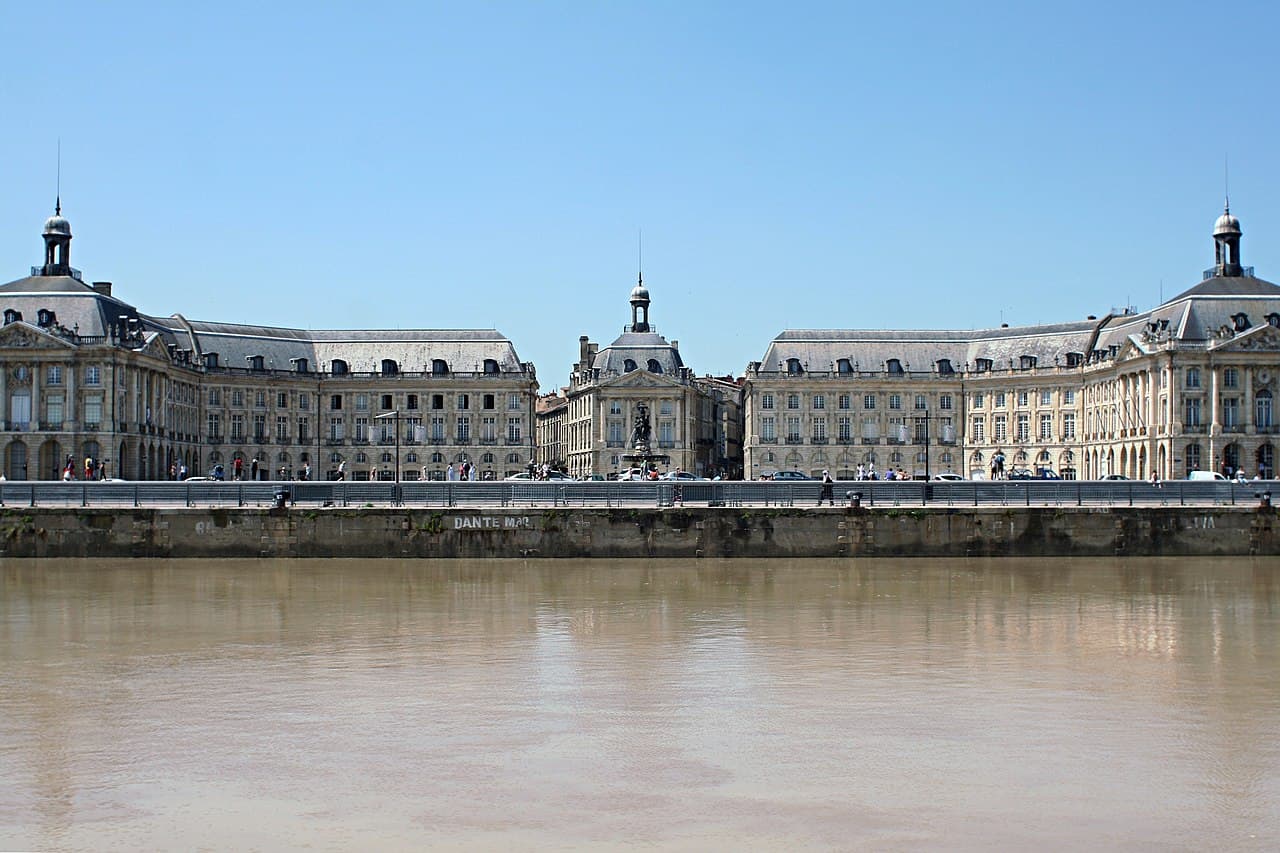
Start at the Place de la Bourse and the Miroir d'eau (Water Mirror)—it's the city's most photogenic spot. Walk along the Garonne riverbanks, which have been beautifully revitalized.
La Cité du Vin is a must-visit. It's a high-tech wine museum that's interesting even if you're not a connoisseur. The view from the top with a glass of wine (included in the ticket) is great.
- Miroir d'eau: Iconic reflection pool.
- Cité du Vin: Modern wine museum.
- Place de la Comédie: Stunning architecture.
- Darwin Ecosystem: Hip, alternative space on the Right Bank.
Food & Drink: Canelés and Entrecôte
Bordeaux food is hearty. Try 'Entrecôte à la Bordelaise' (steak with shallots and wine sauce). For a sweet treat, the 'Canelé' is the local icon—a small pastry with a caramelized crust and soft rum/vanilla center.
Wine bars are everywhere. Ask for a glass of local red; staff are usually happy to help you choose something you'll like.
- Canelés: Don't leave without trying one.
- Wine Bars: The best way to taste different wines.
- Marché des Capucins: The belly of Bordeaux, great for market food.
Getting around: Trams and Bikes
The tram network is fantastic—clean, frequent, and covers most places you'll want to go. The city center is also very bike-friendly (V3 bikes are the local rental scheme).
Walking is the best way to see the historic center's narrow streets.
- Tram: The main way to get around.
- Bike: Flat city, great for cycling.
- Walk: Perfect for the old town.
Budget: Paris prices minus a bit
Bordeaux isn't cheap, but it's generally better value than Paris. Wine is reasonably priced (it's local, after all!). Lunch menus ('formules') are a great way to eat well for less.
Museums and attractions have standard European pricing.
- Dining: Look for lunch deals.
- Wine: Good value for high quality.
- Transport: Affordable passes available.
3 Days in Bordeaux
Day 1: Explore the Golden Triangle, Place de la Bourse, and the Water Mirror. Dinner in Saint-Pierre.
Day 2: Take the tram to La Cité du Vin in the morning. Afternoon walk in the Chartrons district. Sunset drink on a boat or by the river.
Day 3: Day trip to Saint-Émilion (by train or tour) to see the vineyards and the monolithic church.
- Day 1: Classic Bordeaux sights.
- Day 2: Wine culture and cool neighborhoods.
- Day 3: Vineyards and medieval villages.
FAQ
Do I need to speak French?
It helps, but in tourist areas and wine bars, English is widely spoken. A 'Bonjour' goes a long way.
Can I visit vineyards without a car?
Yes! Saint-Émilion is accessible by train. For Médoc, a guided tour is easier if you don't drive.
Is it safe?
Generally yes. Be careful with pickpockets in crowded areas and trams, as in any major city.