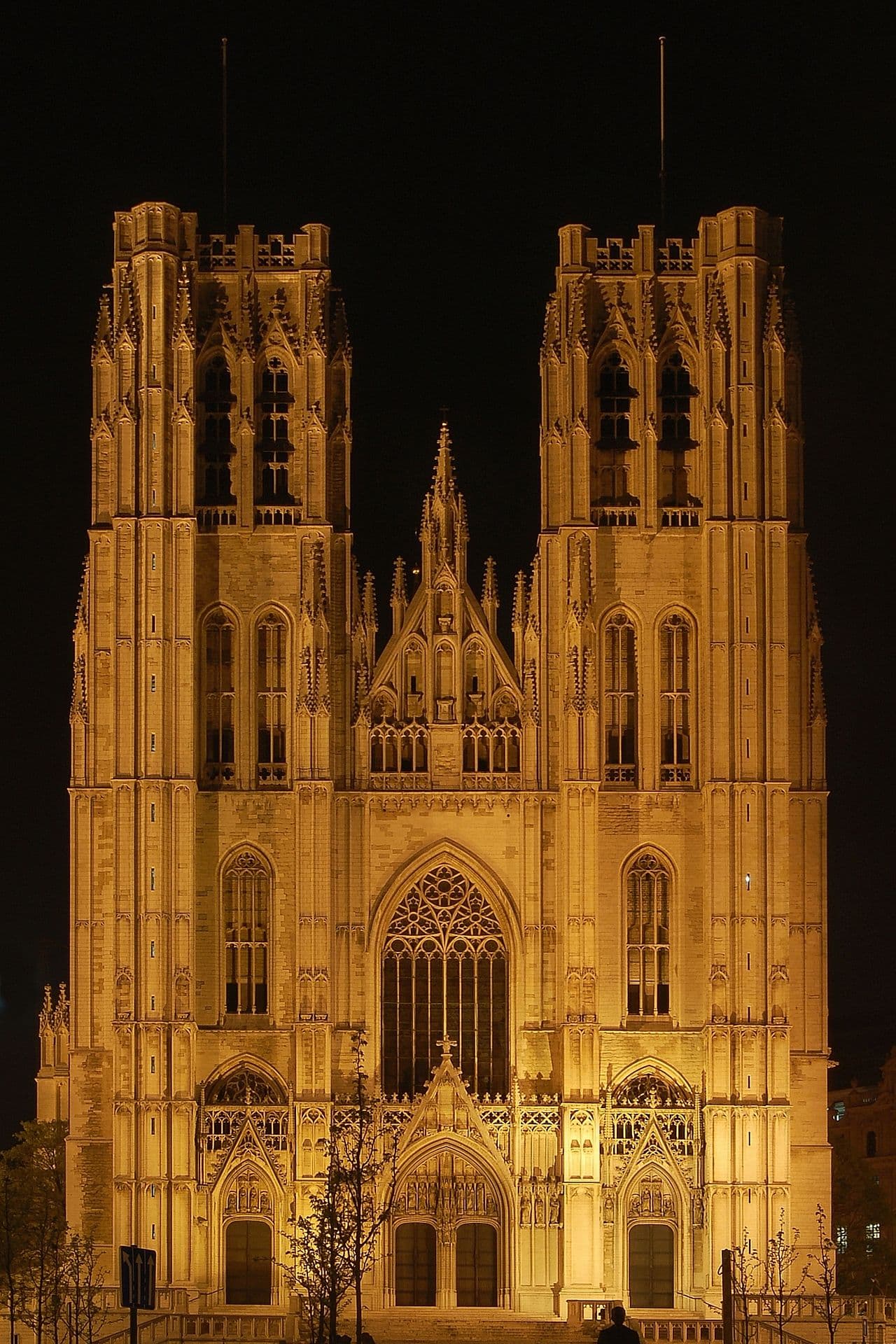
- The Grand Place is arguably the most beautiful square in Europe.
- It's a bilingual city (French/Dutch), but English is widely spoken.
- Don't just stay in the center; neighborhoods like Ixelles and Saint-Gilles are where the locals hang out.
- The weather is often grey and rainy—bring an umbrella.
- It's the perfect base for day trips to Bruges, Ghent, or Antwerp.
If you want, you can open the search in a new tab via Aviasales. Реклама. Go Travel Un Limited. ИНН 9909520797
When to go: Spring or Summer
Spring and Summer are best for enjoying the parks and outdoor terraces. The Flower Carpet on the Grand Place happens every two years in August (check the schedule).
December features a massive Christmas market (Winter Wonders) that takes over the center.
- Summer: Festivals and outdoor life.
- August (even years): Flower Carpet.
- December: Huge Christmas market.
Airport to City: Train is easiest
Brussels Airport (BRU) has a train station in the basement. Trains run every 10 minutes to Brussels Central, North, and Midi stations. It takes 15-20 minutes.
Charleroi Airport (CRL) is much further (about 1 hour). You need to take a shuttle bus (Flibco) to Brussels-Midi station.
- From BRU: Train is fast and frequent.
- From CRL: Shuttle bus takes 1 hour.
- Taxi: Expensive from BRU, very expensive from CRL.
Where to stay: Center or Ixelles
The City Center (near Grand Place) is convenient for a first visit, but can be noisy and touristy. Saint-Gilles and Ixelles are cooler, full of Art Nouveau houses, great bars, and young people.
The European Quarter is quiet on weekends and a bit sterile, but has good hotels.
- City Center: Convenience and sights.
- Ixelles/Saint-Gilles: Cool vibes, Art Nouveau, locals.
- Sablon: Upscale, chocolate, antiques.
What to see: Grand Place and Atomium
The Grand Place is stunning, especially at night. See Manneken Pis (it's tiny, don't be disappointed) and his sister Jeanneke Pis.
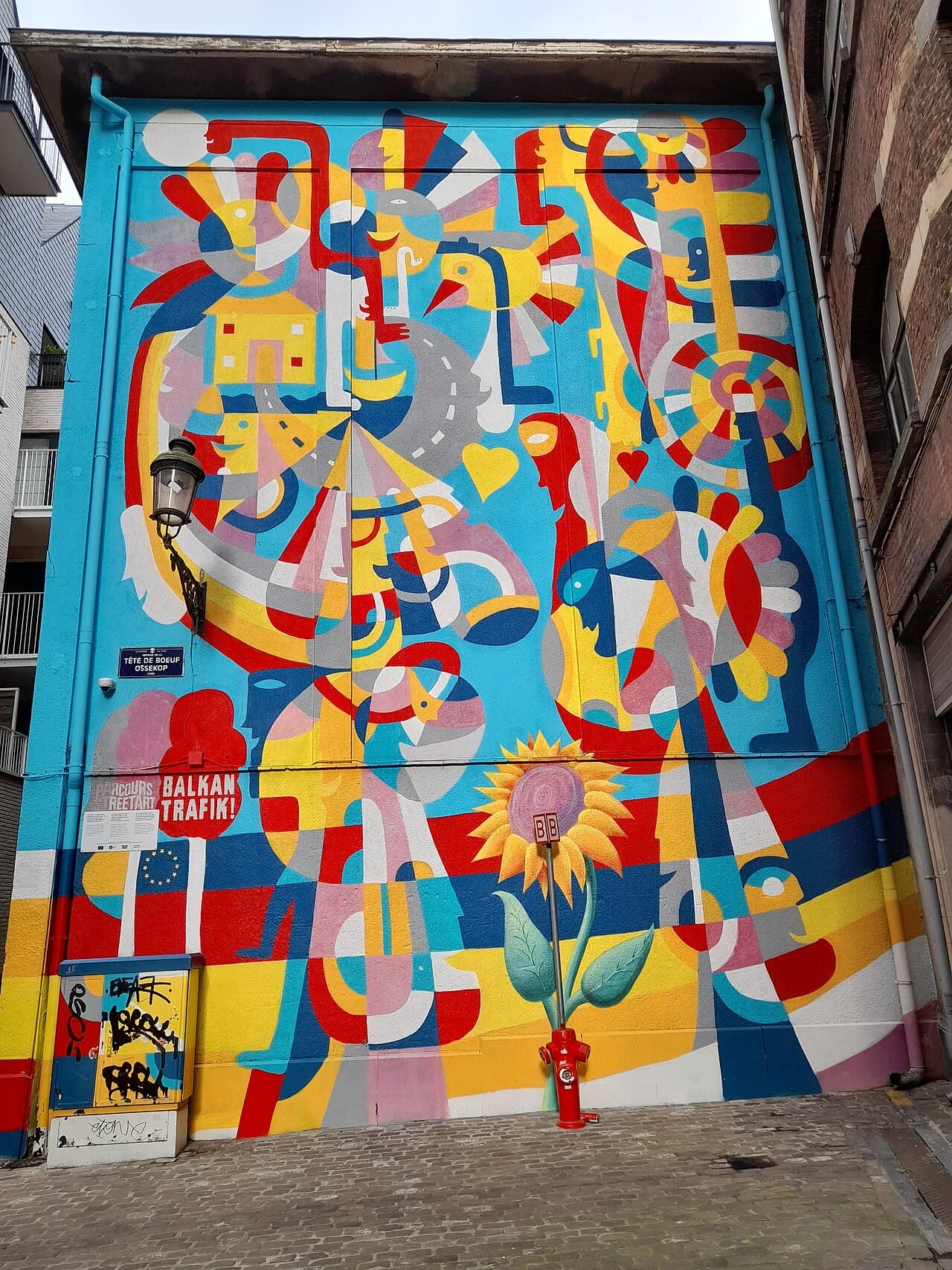
Visit the Magritte Museum for surreal art. Take the metro out to the Atomium for a retro-futuristic photo op. If you love comics, the Comic Strip Center and the street art murals are a must.
- Grand Place: The heart of the city.
- Atomium: Giant iron crystal structure.
- Magritte Museum: Surrealist art.
- Comic Strip Route: Find Tintin and Smurfs on walls.
Food: Fries, Waffles, Chocolate
Fries (frites) are a serious snack here—eat them with mayonnaise from a 'fritkot' (stand). Waffles come in two types: Brussels (rectangular, light) and Liège (rounded, sugary). Try both.
For dinner, try Carbonnade flamande (beef stew). And the beer... go to Delirium Café for the selection (2000+ beers) or a local brasserie for the atmosphere.
- Frites: With mayo, from a stand.
- Waffles: Street snack or dessert.
- Chocolate: Pierre Marcolini or Neuhaus for the best.
- Beer: Trappist ales and Lambics.
Getting around: Metro and Walk
The center is walkable. For the Atomium or outer districts, the Metro and trams are efficient. You can use contactless payment on the validators.
Brussels has three main train stations (North, Central, Midi)—make sure you know which one your train leaves from!
- Metro/Tram: Good coverage.
- Walk: Best for the center.
- Train: Connects the three main stations.
Budget: Mid-range
Brussels is cheaper than London or Paris but more expensive than Eastern Europe. Dining out can be pricey, but frites and waffles are cheap fuel.
Museums often have free days or passes (Brussels Card).
- Food: Street food is cheap, restaurants mid-range.
- Accommodation: Prices vary, weekends can be cheaper in business hotels.
- Transport: Affordable.
2 Days in Brussels
Day 1: Grand Place, Manneken Pis, and the Royal Galleries. Lunch on the run (waffles/fries). Afternoon at the Magritte Museum or Comic Strip Center. Evening beer tasting.
Day 2: Morning at the Atomium. Afternoon exploring the Art Nouveau streets of Ixelles or Saint-Gilles. Dinner in a local brasserie away from the center.
- Day 1: The classics and surrealism.
- Day 2: Icons and cool neighborhoods.
- Evening: Mussels and beer.
FAQ
Is it safe?
Generally yes, but some areas around Brussels-Midi and Brussels-North stations can feel sketchy at night. Stick to main streets.
What language do they speak?
French is dominant in the city, but it's officially bilingual (French/Dutch). English is widely understood.
Is Manneken Pis worth it?
It's a symbol, but it's just a small statue of a peeing boy. See it, laugh, and move on. Don't build your day around it.