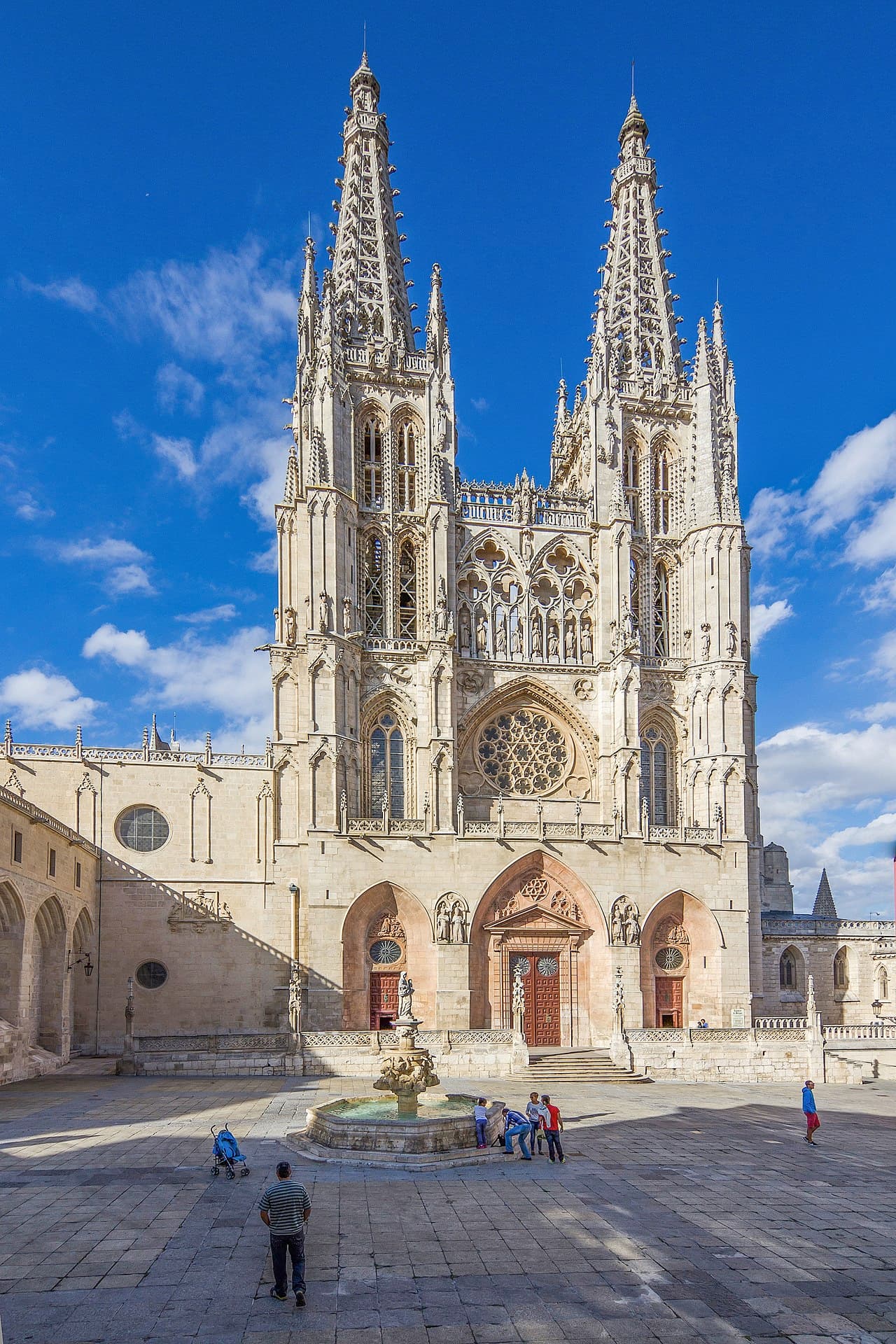
- The Cathedral is UNESCO-listed and arguably the finest in Spain.
- It's a major stop for pilgrims walking the Camino de Santiago.
- The food is heavy and delicious—try the 'Morcilla de Burgos' (blood sausage with rice).
- It gets very cold in winter; locals say it has 'nine months of winter and three months of hell' (heat).
- The Museum of Human Evolution is fascinating and modern.
If you want, you can open the search in a new tab via Aviasales. Реклама. Go Travel Un Limited. ИНН 9909520797
When to go: Summer or Early Autumn
Summer (June-September) is the best time. The days are long and warm, perfect for sitting on terraces. Even in summer, nights can be cool.
Winter is harsh, with snow and biting winds. Only go if you like the cold and cozy roasts.
- Summer: Warm days, cool nights.
- Winter: Very cold, snow possible.
- Spring/Autumn: Unpredictable but fewer crowds.
Getting there: Train or Bus
Burgos has a small airport, but most people arrive by train (AVE high-speed) from Madrid (1.5 - 2 hours) or by bus (ALSA). The train station (Burgos-Rosa Manzano) is a bit far from the center, so take a bus or taxi.
Driving is also a good option if you are exploring Castile and León.
- Train (AVE): Fast connection to Madrid.
- Bus: Cheap and frequent.
- Car: Good for regional trips.
Where to stay: Near the Cathedral
Stay as close to the Cathedral as possible. The historic center is pedestrian-friendly and full of bars and restaurants. Waking up to the view of the spires is unforgettable.
There are also many hostels (albergues) catering to pilgrims if you want a budget option.
- Historic Center: Views and atmosphere.
- Near Paseo del Espolón: Elegant and central.
- Albergues: Pilgrim vibes.
What to see: The Cathedral and Evolution
The Cathedral of Santa Maria is the main event. Take the audio guide—it's worth it. Visit the tomb of El Cid inside.
Walk up to the Castle (Castillo de Burgos) for panoramic views of the city. Visit the Museum of Human Evolution (MEH) to see fossils from the nearby Atapuerca archaeological site.
- Burgos Cathedral: Gothic masterpiece.
- Museum of Human Evolution: Modern science.
- Cartuja de Miraflores: Stunning monastery nearby.
- Arco de Santa María: Medieval city gate.
Food: Morcilla and Lamb
You must try 'Morcilla de Burgos'—a blood sausage made with rice and onions. It's usually fried and served as a tapa. 'Lechazo' (roast suckling lamb) is the other local specialty—tender and cooked in a wood-fired oven.
Queso de Burgos is a fresh, soft cheese often served with honey and nuts for dessert.
- Morcilla: The local icon.
- Lechazo: Roast lamb feast.
- Queso de Burgos: Fresh cheese.
Getting around: Walk
The historic center is compact and walkable. You can walk from the Cathedral to the Museum of Human Evolution in 10 minutes along the river.
Buses are available for the train station or the University, but you'll mostly use your feet.
- Walk: The best way.
- Bus: Useful for the station.
- Taxi: Available at ranks.
Budget: Affordable Spain
Burgos is cheaper than Madrid or Barcelona. Tapas are often free with a drink in some bars (though less common than in the south). Dining out is good value.
Museum entries are reasonable.
- Food: Great value tapas.
- Accommodation: Reasonable prices.
- Sights: Cathedral ticket includes audio guide.
1-2 Days in Burgos
Day 1: Visit the Cathedral (allow 2 hours). Walk through the Arco de Santa María and along the Paseo del Espolón. Dinner of tapas and morcilla.
Day 2: Visit the Museum of Human Evolution. Walk up to the Castle for the view. Take a taxi to the Cartuja de Miraflores.
- Day 1: Gothic history and food.
- Day 2: Science and views.
- Evening: Tapas hopping.
FAQ
Is it really that cold?
In winter, yes. It's on a high plateau. Dress warmly.
Who was El Cid?
A medieval knight and warlord, a national hero of Spain. He was born near Burgos and is buried in the Cathedral.
Is it just for religious tourists?
No! The food, history, and modern museum make it interesting for everyone.