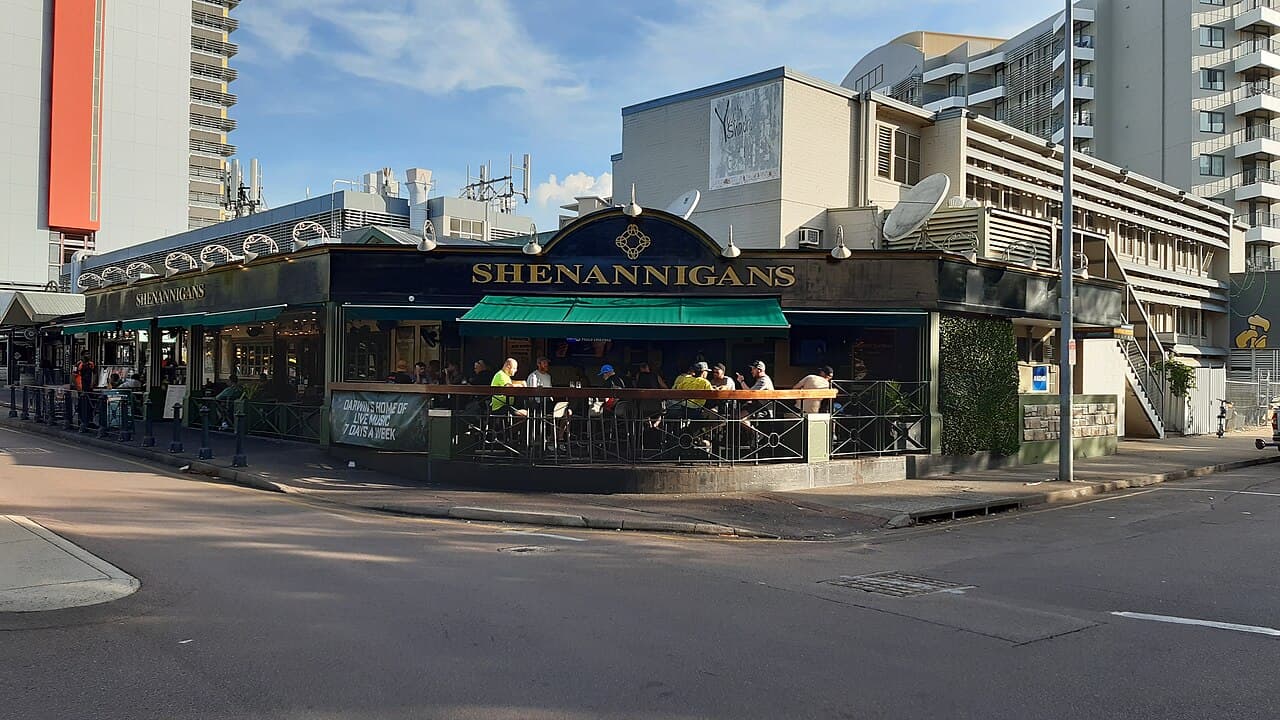
- The Mindil Beach Sunset Market (Dry Season) is the place to be for food and sunset.
- Swimming in the ocean is a no-go (crocodiles and jellyfish). Use the Waterfront Lagoon.
- Crocosaurus Cove lets you dive with a massive croc in the 'Cage of Death'.
- It has two seasons: Wet (monsoonal storms) and Dry (perfect weather).
- The WWII history (Bombing of Darwin) is fascinating and well-presented.
If you want, you can open the search in a new tab via Aviasales. Реклама. Go Travel Un Limited. ИНН 9909520797
When to go: The Dry Season
May to October (The Dry) is the only time to go for most tourists. The weather is perfect: warm days, cool nights, blue skies. Everything is open.
November to April (The Wet) is hot, humid, and stormy. Many national parks close due to flooding. However, the storms are spectacular and waterfalls are pumping.
- Dry Season (May-Oct): Perfect weather, busy.
- Wet Season (Nov-Apr): Humid, storms, closures.
- Build-up (Oct-Nov): Extremely hot and humid.
Getting there: Darwin Airport
Darwin International Airport (DRW) is close to the city (15 mins). The Darwin City Airport Shuttle is convenient.
Taxis and rideshares (Uber) are readily available. It's a small airport, very easy to navigate.
- Shuttle: Connects to city hotels.
- Taxi: Short ride ($30-40).
- Rideshare: Available.
Where to stay: Waterfront or Mitchell St
The Waterfront Precinct is modern, safe, and has the wave pool/lagoon. It's great for families.
Mitchell Street is the backpacker/party hub with bars and hostels. Cullen Bay is quieter with a marina vibe and great sunset views.
- Waterfront: Upscale, safe swimming.
- Mitchell St: Nightlife, budget.
- Cullen Bay: Marina, dining, sunsets.
What to see: Crocs and History
Visit the Museum and Art Gallery of the Northern Territory (MAGNT) to see 'Sweetheart' the croc and Cyclone Tracy exhibits. Go to the RFDS Tourist Facility to learn about the bombing of Darwin.
Crocosaurus Cove is right in the city—see huge crocs up close. The Waterfront Wave Lagoon is the safest place to cool off.
- MAGNT: Art, history, and a giant croc.
- Crocosaurus Cove: Urban wildlife.
- RFDS Facility: WWII history (VR experience).
- Bicentennial Park: Coastal walk.
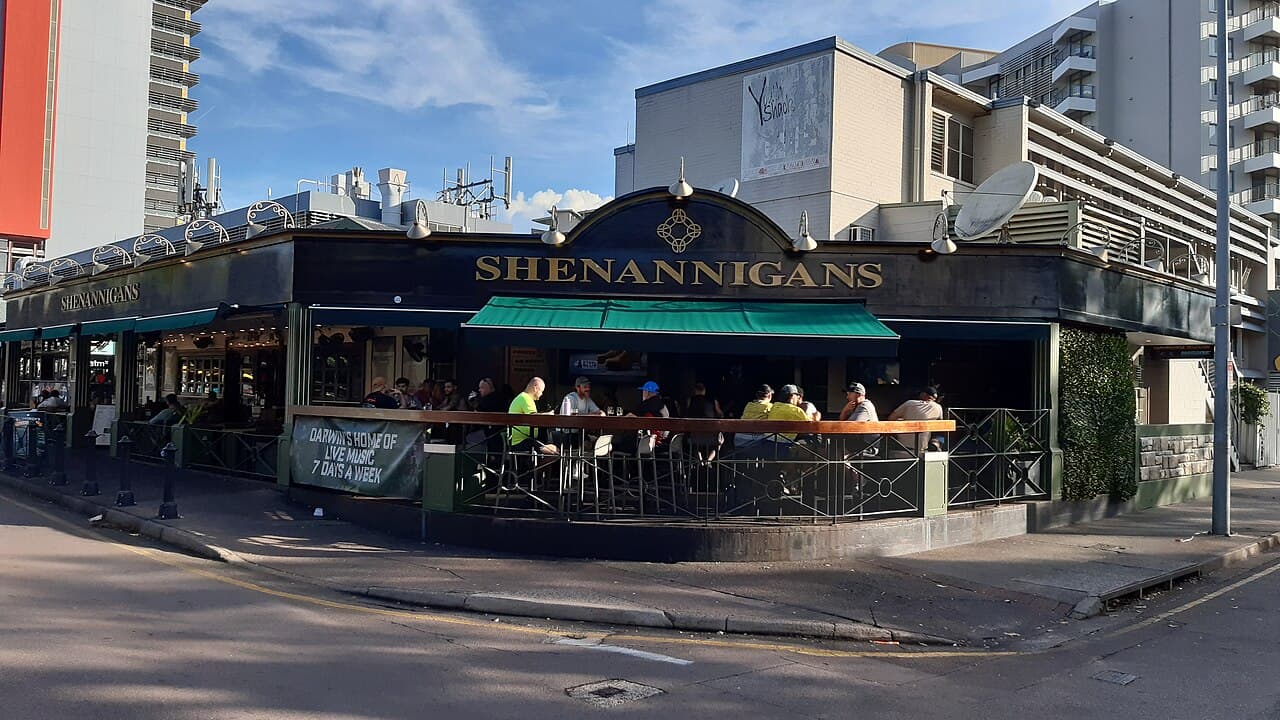
Food: Laksa and Barramundi
Darwin's proximity to Asia means the Laksa (spicy noodle soup) is legendary—locals eat it for breakfast at the Parap Markets. Barramundi is the local fish—fresh and delicious.
Mindil Beach Sunset Market (Thu/Sun in Dry Season) has food stalls from all over the world. Eat on the beach while watching the sun drop.
- Laksa: Darwin's unofficial dish.
- Barramundi: Local wild-caught fish.
- Mindil Markets: Global street food.
- Mangoes: Best in Australia.
Getting around: Bus or Car
The city center is small and walkable. Public buses are okay for getting to suburbs/museums.
You absolutely need a car if you want to visit Litchfield or Kakadu National Parks (which you should!).
- Walk: City center is compact.
- Bus: Cheap ($3 for 3 hours).
- Car Rental: Essential for parks.
Budget: Expensive
Darwin is pricey, especially in the Dry Season when accommodation prices spike. Food and drinks are standard Australian prices (high).
Many natural attractions (parks, beaches) are free, but tours are expensive.
- Accommodation: High in peak season.
- Tours: Expensive but worth it.
- Food: Market food is good value.
2 Days in Darwin
Day 1: City. Visit Crocosaurus Cove (or MAGNT). Lunch at the Waterfront. Afternoon WWII oil tunnels or RFDS facility. Sunset at Mindil Beach Market (if on).
Day 2: Day trip to Litchfield National Park (1.5 hours drive). Swim in the waterfalls (Florence/Wangi) and see the magnetic termite mounds. Return for dinner at Cullen Bay.
- Day 1: History and markets.
- Day 2: Waterfalls and nature.
- Evening: Sunset drinks.
FAQ
Can I swim in the ocean?
NO. Saltwater crocodiles and box jellyfish are deadly. Only swim in designated pools or checked areas in National Parks.
Is it always hot?
Yes. It's the tropics. It's either hot and dry or hot and wet. It never gets 'cold'.
Kakadu or Litchfield?
Litchfield is easier for a day trip (swimming holes). Kakadu is massive, wilder, and needs 2-3 days to appreciate properly.