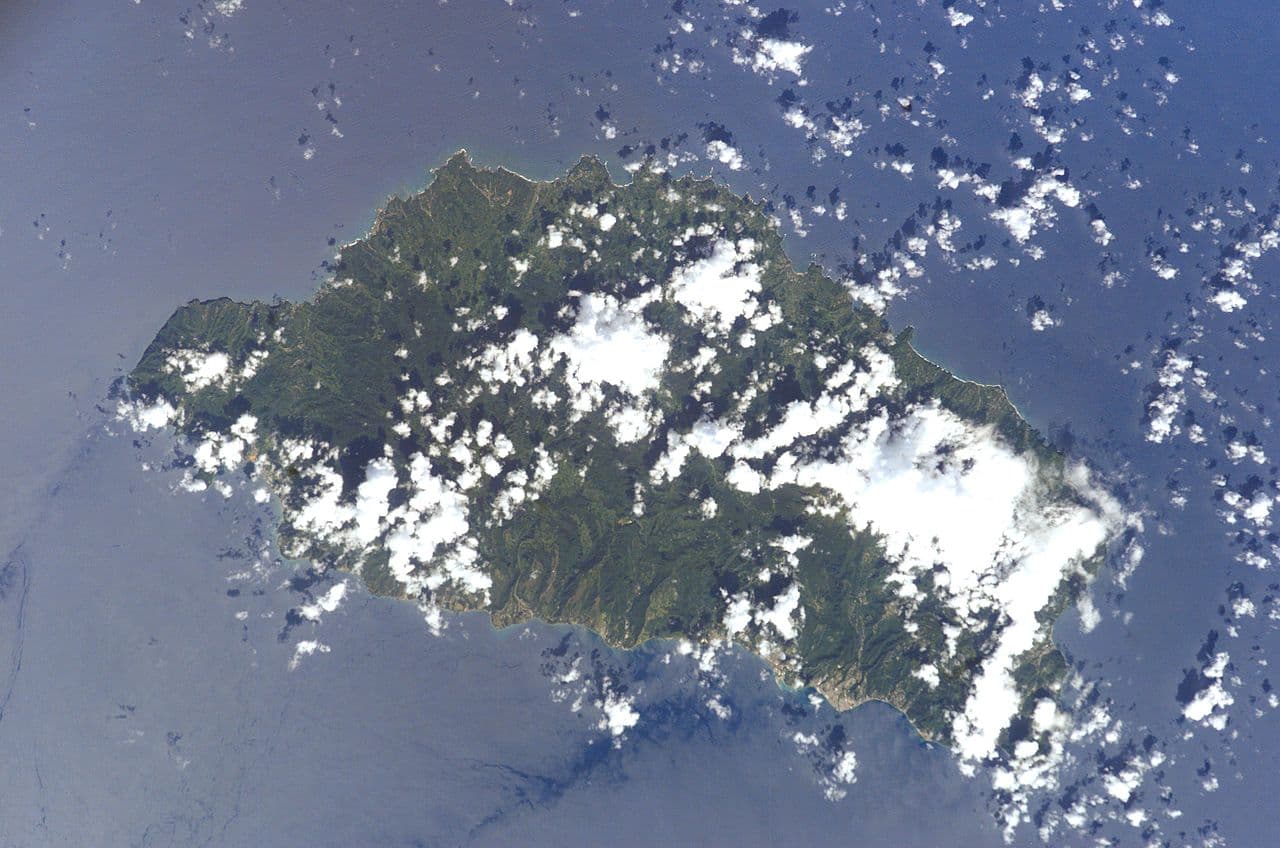
- The Boiling Lake hike is legendary—a tough 6-hour trek to the world's second-largest boiling lake.
- Whale watching is world-class; sperm whales live here year-round.
- It's not a beach destination. The beaches are black volcanic sand and rocky.
- The Waitukubuli National Trail is the Caribbean's only long-distance hiking trail (115 miles).
- Getting around is slow due to winding mountain roads.
If you want, you can open the search in a new tab via Aviasales. Реклама. Go Travel Un Limited. ИНН 9909520797
When to go: Dry Season
February to April is the driest and most popular time. The weather is warm but not too humid.
Hurricane season is June to November. It rains a lot, but the island is incredibly lush. Diving is good year-round.
- Feb-Apr: Best hiking weather.
- May-June: Jazz festival and flowers.
- Oct: World Creole Music Festival.
Getting there: Ferry or Prop Plane
Douglas-Charles Airport (DOM) is small and on the Atlantic side (1 hour+ from Roseau). You'll likely fly in from Antigua, Barbados, or St. Maarten on a small plane.
The L'Express des Iles ferry connects Dominica to Guadeloupe, Martinique, and St. Lucia. It's a scenic and cheaper option.
- Flight: Small planes only.
- Ferry: Connects to French islands.
- Taxi: Expensive airport transfer ($80+).
Where to stay: Roseau or Jungle Lodge
Roseau (the capital) is convenient for transport and diving. It has guesthouses and small hotels.
For the real experience, stay in an eco-lodge in the rainforest (near Laudat or the Kalinago Territory). You'll wake up to birds and waterfalls.
- Roseau: Central, diving hub.
- Eco-Lodges: Immersive nature.
- Portsmouth: Quieter, near Cabrits National Park.
What to see: Waterfalls and Whales
Trafalgar Falls (twin waterfalls) and Emerald Pool are easy to reach and beautiful. Titou Gorge is a stunning swim through a canyon (filmed in Pirates of the Caribbean).
Go whale watching. The drop-off is close to shore, so you don't have to go far to see giants.
- Boiling Lake: The ultimate hike.
- Trafalgar Falls: Iconic twin falls.
- Champagne Reef: Snorkel in volcanic bubbles.
- Indian River: Boat tour in mangroves.
Food: Mountain Chicken (Frog)
Local food is hearty. Try 'Mountain Chicken' (actually a giant frog, now endangered/protected so rarely served—check legality). Callaloo soup is a staple.
Fresh fruit is everywhere—mangoes, papayas, and grapefruits. Kubuli is the local beer.
- Callaloo: Leafy green soup.
- Seafood: Fresh fish and crayfish.
- Kubuli Beer: The island brew.
- Bush Tea: Herbal infusions.
Getting around: Bus or Driver
Public minibuses are cheap and fun (loud music!) but stop running early. They have 'H' on the license plate.
Renting a car is possible but roads are narrow, winding, and steep. Hiring a driver for tours is often more relaxing.
- Minibus: Cheap local experience.
- Taxi/Driver: Best for touring.
- Car Rental: For confident drivers only.
Budget: Moderate
Dominica is cheaper than more touristy islands, but transport and tours can add up. Food is affordable if you eat local.
Site passes are required for many natural attractions (buy a weekly pass).
- Site Pass: $12 per week.
- Food: Affordable local meals.
- Tours: Main expense.
3 Days in Dominica
Day 1: Roseau Valley. Visit Trafalgar Falls, swim in Titou Gorge, and relax in the sulfur springs at Wotten Waven.
Day 2: Whale watching in the morning. Afternoon snorkel at Champagne Reef (bubbles come from the sea floor!).
Day 3: North. Boat trip on the Indian River (Portsmouth) and visit Cabrits National Park.
- Day 1: Waterfalls and hot springs.
- Day 2: Marine life.
- Day 3: History and rivers.
FAQ
Is it the Dominican Republic?
NO. Totally different country. Different language (English vs Spanish), different vibe.
Are there beaches?
Yes, but mostly black sand or rocky. Batibou Beach in the north is a rare golden sand beauty.
Is it safe?
Very safe. The people are incredibly friendly. Standard precautions apply, but crime is low.