- Traffic is legendary. Use the MRT or Gojek/Grab bikes to beat it.
- The National Monument (Monas) is the symbol of the city.
- Kota Tua (Old Town) has Dutch colonial buildings and museums.
- The malls are huge and central to social life (Grand Indonesia, Plaza Indonesia).
- Street food (Kaki Lima) is everywhere and delicious.
If you want, you can open the search in a new tab via Aviasales. Реклама. Go Travel Un Limited. ИНН 9909520797
When to go: Dry Season
June to September is the dry season. It's hot (30°C+), but less rain.
October to May is the wet season. Flooding can occur, and traffic gets even worse when it rains. It's always humid.
- Dry Season: Best for travel.
- Wet Season: Heavy downpours.
- Ramadan: Traffic shifts, some places close early.
Getting there: Train or Taxi
Soekarno-Hatta Airport (CGK) is far. The Airport Train (Railink) is the fastest way to the city center (BNI City Station) avoiding traffic.
Blue Bird taxis are reliable. Grab/Gojek cars are also good.
- Airport Train: Beating the traffic.
- Blue Bird Taxi: Reliable meter.
- Grab: Fixed price.
Where to stay: Menteng or Thamrin
Menteng is upscale, leafy, and central. Thamrin/Sudirman is the business district with big hotels and malls.
Kemang is trendy with cafes and bars. South Jakarta (Senopati) is the hipster/expat hub.
- Menteng: Historic class.
- Thamrin: Central, malls.
- Kemang: Bohemian vibe.
What to see: Monas and Old Town
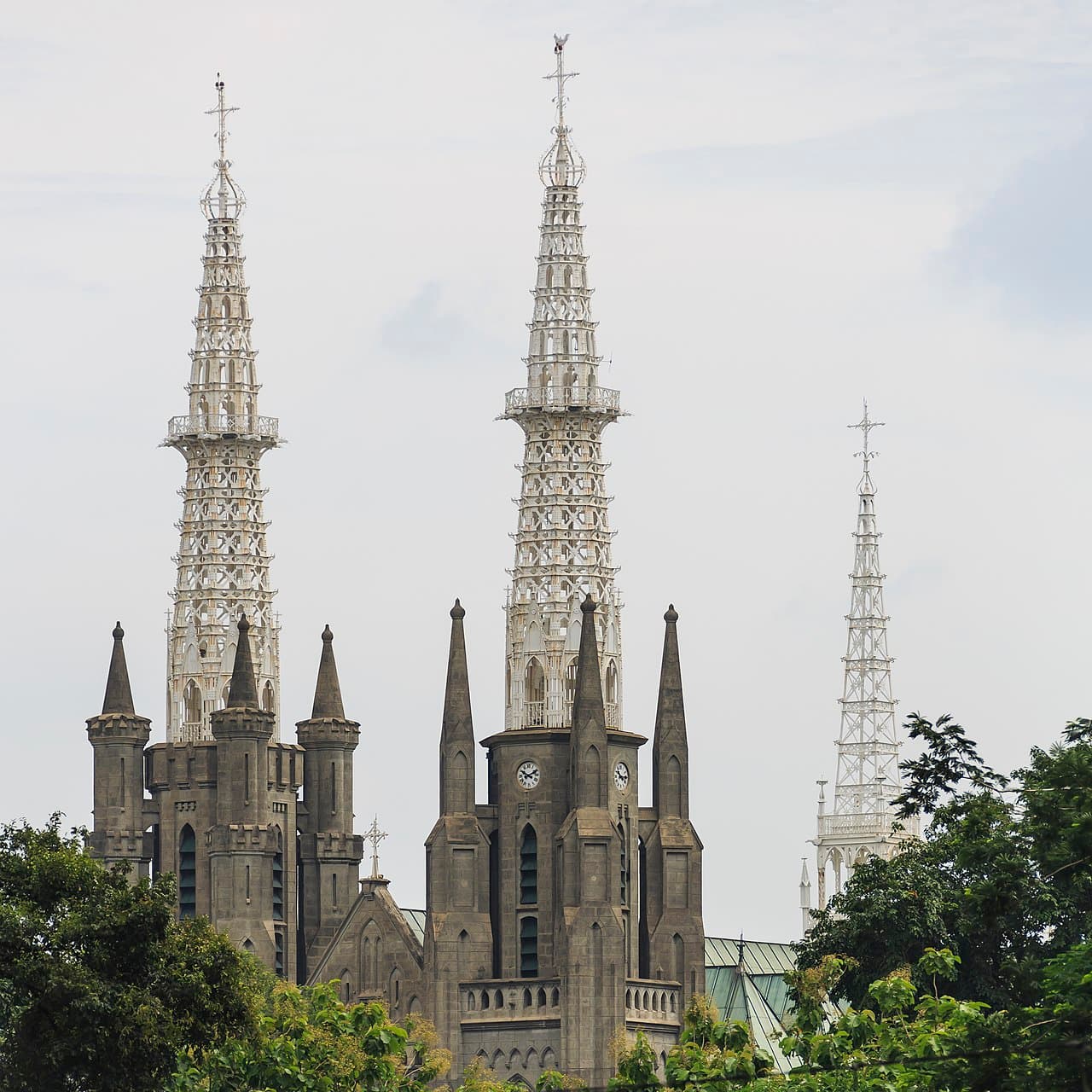
Visit Monas (National Monument) for views. Explore Kota Tua (Old Batavia) to see Fatahillah Square and rent a colorful bike. Visit the Istiqlal Mosque (largest in SE Asia) and the Cathedral across the street.
Taman Mini Indonesia Indah is a park showcasing traditional houses from all Indonesian provinces.
- Monas: The golden flame.
- Kota Tua: Colonial history.
- Istiqlal Mosque: Massive and modern.
- Taman Mini: Indonesia in a nutshell.
Food: Nasi Goreng and Padang
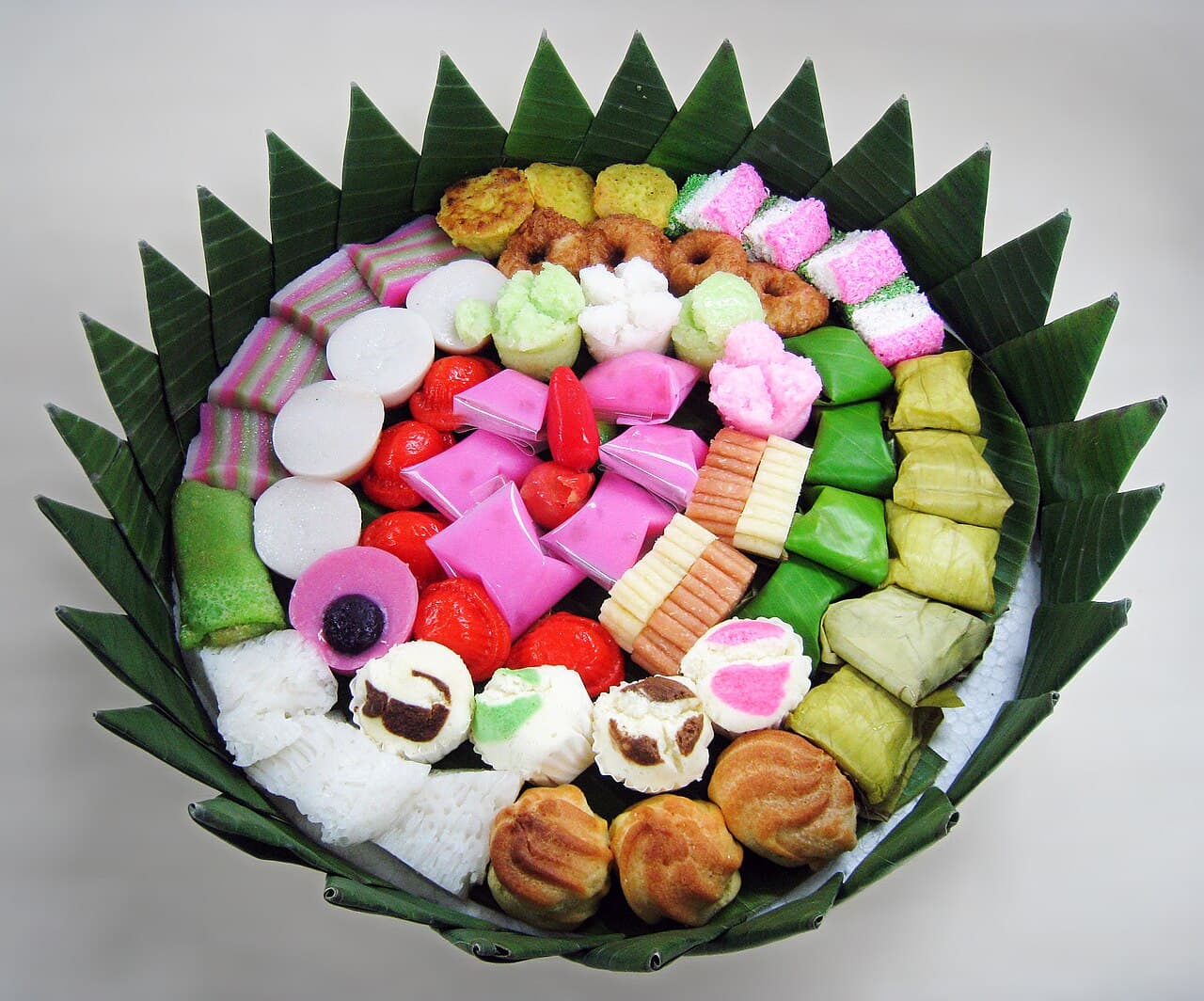
Eat Nasi Goreng (fried rice) from a street cart ('Kaki Lima'). Try Masakan Padang (Sumatran food)—dozens of dishes are stacked on your table, you pay for what you eat.
Sate (skewers) and Soto Betawi (beef soup) are local favorites. Coffee culture is booming.
- Nasi Goreng: The classic.
- Padang Food: Spicy feast.
- Martabak: Sweet or savory pancake.
- Coffee: Local beans are great.
Getting around: MRT and Apps
The MRT is new, clean, and fast (north-south line). TransJakarta buses have dedicated lanes (mostly).
For everything else, download Grab or Gojek. Taking a motorbike taxi (Ojek) is the only way to cut through gridlock.
- MRT: Modern and fast.
- Gojek/Grab: Essential apps.
- Ojek: Motorbike taxi (fastest).
Budget: Very Affordable
Jakarta is very cheap. Street food is $1-2. Taxis are cheap. Luxury hotels are affordable compared to Singapore or Hong Kong.
Alcohol is heavily taxed and expensive.
- Food: Very cheap.
- Transport: Cheap.
- Alcohol: Pricey.
2 Days in Jakarta
Day 1: History. Monas in the morning. Istiqlal Mosque. Afternoon in Kota Tua (Cafe Batavia for lunch). Evening street food in Menteng (Jalan Sabang).
Day 2: Modern Jakarta. Shop at Grand Indonesia. Visit the MACAN Museum (modern art). Dinner and drinks in Senopati or a rooftop bar.
- Day 1: Colonial and monuments.
- Day 2: Art and malls.
- Evening: Rooftop views.
FAQ
Is the traffic really that bad?
Yes. It's world-famous. Plan meetings close together. Use the MRT or motorbikes.
Is it safe?
Generally yes. Petty crime exists. Be careful crossing the street—motorbikes are everywhere.
Can I walk?
Not really. Sidewalks are often broken, blocked, or non-existent. It's not a pedestrian city, except in Kota Tua or around Monas.