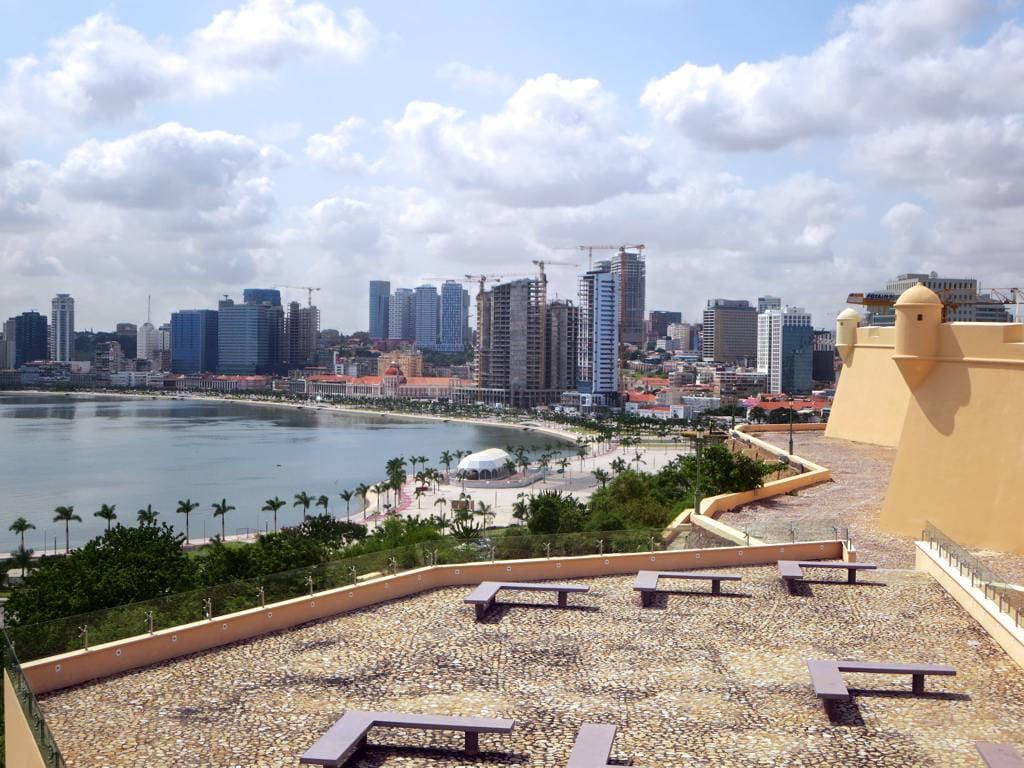
- The Marginal (Avenida 4 de Fevereiro) is the scenic waterfront promenade—great for walking.
- Ilha do Cabo (The Island) is a sandspit with the best beaches, restaurants, and nightlife.
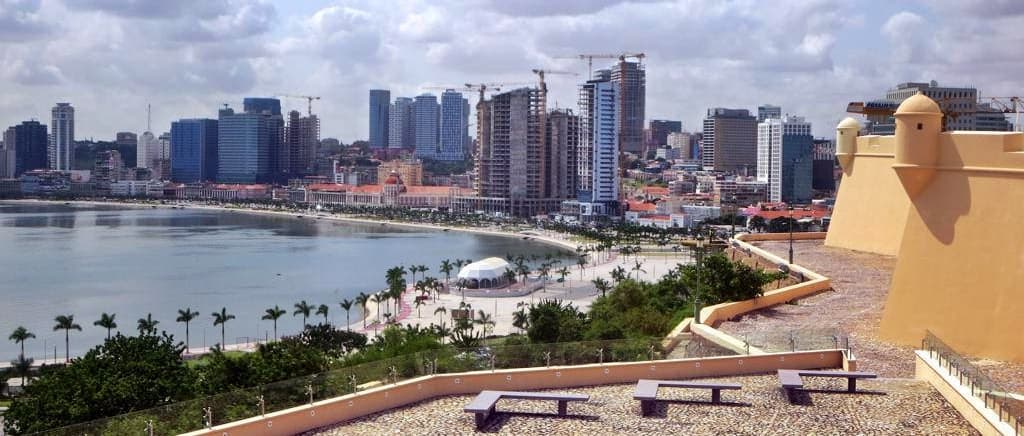
- Fortaleza de São Miguel offers the best view of the city and history of the region.
- Traffic is intense. Plan accordingly.
- It's not a budget destination; hotels and restaurants can be very pricey.
If you want, you can open the search in a new tab via Aviasales. Реклама. Go Travel Un Limited. ИНН 9909520797
When to go: Dry Season
June to September is the dry season (Cacimbo). It's cooler (20-25°C) and less humid.
The rainy season (October-May) is hot and humid. Heavy rains can cause flooding and traffic chaos.
- Dry Season: Best weather.
- Rainy Season: Hot and sticky.
- Carnival: February/March.
Getting there: New Airport
The new Dr. António Agostinho Neto International Airport (AAN) is far from the city (40km). Traffic can make the trip 1-2 hours.
Arrange a transfer with your hotel or a reputable company. Taxis can be unreliable for tourists.
- Hotel Transfer: Safest option.
- Taxi: Negotiate or use app (Heetch/Yango).
- Traffic: Allow extra time.
Where to stay: Downtown or Ilha
Stay in the Baixa (Downtown) for business and proximity to the Marginal. Hotels like the Epic Sana are luxury standards.
Stay on the Ilha do Cabo for a beach vibe and nightlife. It's where the expats and wealthy Angolans hang out.
- Downtown: Central, business.
- Ilha: Beach, dining, parties.
- Talatona: New suburb, modern.
What to see: Fort and Bay
Visit the Fortaleza de São Miguel (Military Museum) for tiles and views. Walk the Marginal at sunset.
The Mausoleum of Agostinho Neto is a brutalist landmark. Visit the Iron Palace (Palácio de Ferro)—designed by Eiffel (maybe).
- Fortaleza: Best view.
- Marginal: Seaside walk.
- Mausoleum: Iconic tower.
- Iron Palace: Architecture.
Food: Fish and Funge
Seafood is excellent. Try 'Calulu' (dried fish or meat stew) with 'Funge' (cassava porridge).
The Ilha has high-end restaurants serving Portuguese and international cuisine. Prices are high.
- Seafood: Fresh and grilled.
- Funge: The staple side.
- Mufete: Traditional feast.
- Portuguese: Strong influence.
Getting around: App Taxi
Public transport (blue and white candongueiro vans) is chaotic and not recommended for tourists.
Use ride-hailing apps like Heetch, Yango, or Uber (if available). Or hire a private driver.
- Ride Apps: Best option.
- Candongueiro: Local minibus (adventure).
- Driver: Best for day trips.
Budget: Very Expensive
Luanda is notoriously expensive. Hotels, safe transport, and international food cost a premium.
Local street food is cheap, but hygiene can be an issue.
- Hotels: $200+ per night.
- Food: Pricey restaurants.
- Transport: Adds up.
2 Days in Luanda
Day 1: City. Visit the Fortaleza de São Miguel. Walk the Marginal. See the Iron Palace. Dinner on the Ilha do Cabo.
Day 2: South. Visit the Moon Viewpoint (Miradouro da Lua) – stunning cliffs 40km south. Visit the Slavery Museum nearby. Relax at a beach club.
- Day 1: History and bay.
- Day 2: Moon landscape and beach.
- Evening: Ilha nightlife.
FAQ
Is it safe?
Petty crime is common. Don't walk with your phone out. Avoid walking at night. The Ilha and Marginal are generally safer.
Do I need Portuguese?
Yes. English is not widely spoken outside top hotels. Learn basic phrases.
Why is it so expensive?
Oil economy, import reliance, and lack of infrastructure drive prices up for 'expat standard' goods and services.