- The Cíes Islands are the main draw; book your ferry and permit in advance.
- Oysters Street (Rúa da Pescadería) is a must for seafood lovers.
- The city is built on steep hills; expect a workout or use the outdoor escalators.
- O Castro park offers the best panoramic views of the estuary (Ría).
- It’s a gateway to the Portuguese Camino de Santiago.
If you want, you can open the search in a new tab via Aviasales. Реклама. Go Travel Un Limited. ИНН 9909520797
When to go: Summer for beaches
Summer (July-August) is the best time if you want to visit the Cíes Islands and enjoy the beaches. It’s warm but rarely scorching like southern Spain.
Spring and early autumn are great for hiking and eating, though rain is always a possibility in Galicia.
- Summer: Beach weather and island trips.
- Autumn: Seafood festivals and harvest.
- Winter: Rainy and mild.
Getting there: Peinador and trains
Vigo-Peinador Airport (VGO) is about 10km from the city center. A local bus (Vitrasa) connects the airport to downtown, or you can take a taxi.
The new Urzáiz train station handles high-speed trains from Madrid and other Spanish cities. The Guixar station serves regional trains and connections to Portugal.
- From Airport: Bus L9A or taxi (~20 mins).
- Train: High-speed connections to Madrid.
- Bus: Connections to Porto (Portugal) are frequent.
Where to stay: Near the port
Staying near the port or the Old Town (Casco Vello) puts you close to the ferries for the Cíes Islands and the best restaurants. It’s the most atmospheric part of town.
The area around the Urzáiz station is modern, convenient for shopping, and has good transport links.
- Casco Vello: Historic charm and food.
- Ensanche: Shopping and modern hotels.
- Bouzas: A former fishing village vibe within the city.
What to see: Forts and old streets
Climb up to O Castro, the ancient fortress hill in the middle of the city. It has ruins of Celtic settlements and sweeping views of the bay.
Wander through the Casco Vello, which has been revitalized in recent years. It’s a maze of stone streets leading down to the water.
- O Castro: Best views and history.
- Casco Vello: The heart of old Vigo.
- Museo do Mar: Interesting museum about Galicia's relationship with the sea.
- Pazo Quiñones de León: A beautiful manor house with gardens.
Food: The world's best seafood
Vigo is all about the Ría (estuary). Oysters are the star—head to Rúa da Pescadería where women shuck them fresh on the street. Pair them with Albariño, the local white wine.
Octopus (polbo á feira) is another staple, served with paprika and olive oil. Tapas culture is strong here.
- Oysters: Fresh from the street vendors.
- Albariño: Crisp white wine from the region.
- Empanada Gallega: Savory pie with tuna or meat.
Nature & Relax: The Cíes Islands
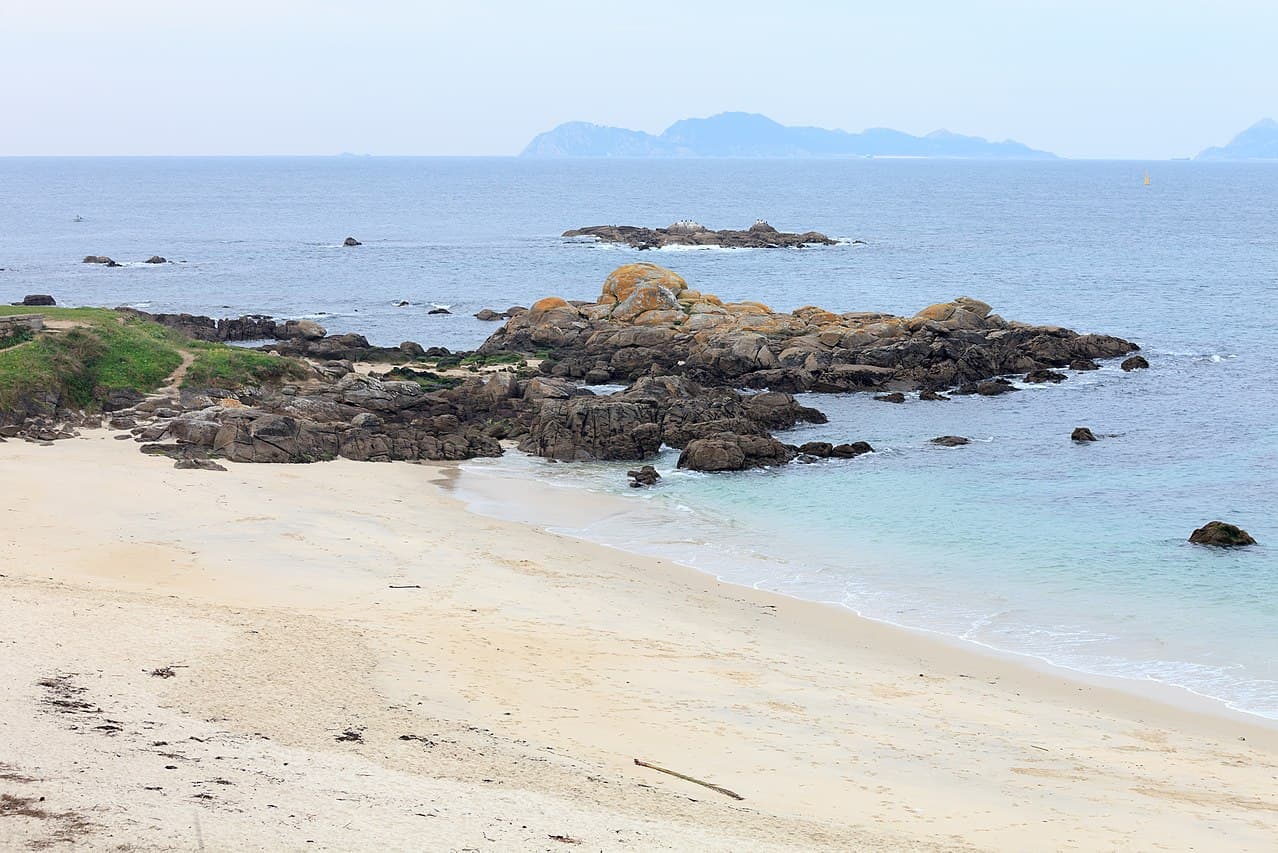
The Cíes Islands are part of the Atlantic Islands of Galicia National Park. Rodas Beach has been voted one of the best in the world. You need a ferry ticket and a separate authorization from the Xunta de Galicia to visit.
Within the city, Parque de Castrelos is a huge green space with a pazo (manor) and an open-air auditorium.
- Cíes Islands: Unspoiled beaches and hiking (permit required).
- Samil Beach: The main city beach, long and sandy.
- Monte da Guía: Another great viewpoint.
Getting around: Hills and buses
Vigo is steep. The city has installed escalators and elevators (Vigo Vertical) to help pedestrians navigate the hills. Use them!
The Vitrasa bus network is extensive and covers the whole city and beaches. Taxis are affordable.
- Walking: Be prepared for hills.
- Bus: Good for reaching Samil Beach.
- Ferries: Essential for Cíes and Moaña.
Budget: Affordable Spain
Vigo is generally more affordable than Madrid or Barcelona. Tapas often come free with a drink in some bars, though less commonly than in other parts of Galicia.
Seafood can be pricey but is high quality. Daily menus (menú del día) are great value for lunch.
- Food: Great value for fresh seafood.
- Transport: Ferries to islands are the main expense.
- Accommodation: Reasonable, except in peak August.
3 Days in Vigo
Dedicate one full day to the islands. Spend the rest exploring the city's hills, port, and food scene.
Evenings are for tapas hopping in the Old Town.
- Day 1: Casco Vello, Oysters Street, and sunset at O Castro.
- Day 2: Day trip to Cíes Islands (pack a picnic).
- Day 3: Samil Beach and the museum of the sea, or a trip to nearby Baiona.
FAQ
Do I need to book Cíes Islands in advance?
Yes! In summer, spots fill up weeks ahead. You need both a ferry ticket and a free authorization code from the government website.
Is the water cold?
Yes, very. It's the Atlantic, and it's refreshing (or freezing, depending on your tolerance).
Is it rainy?
Galicia is the rainy corner of Spain. It’s green for a reason. Always pack a light rain jacket.
Is it safe?
Yes, Vigo is a safe city. Just use common sense in busy tourist areas.
Can I visit Portugal easily?
Yes, Porto is less than 2 hours away by train or bus, making it an easy day trip or next stop.