- Borobudur (sunrise is magical) and Prambanan are essential day trips.
- Jalan Malioboro is the main street for shopping and chaos (in a good way).
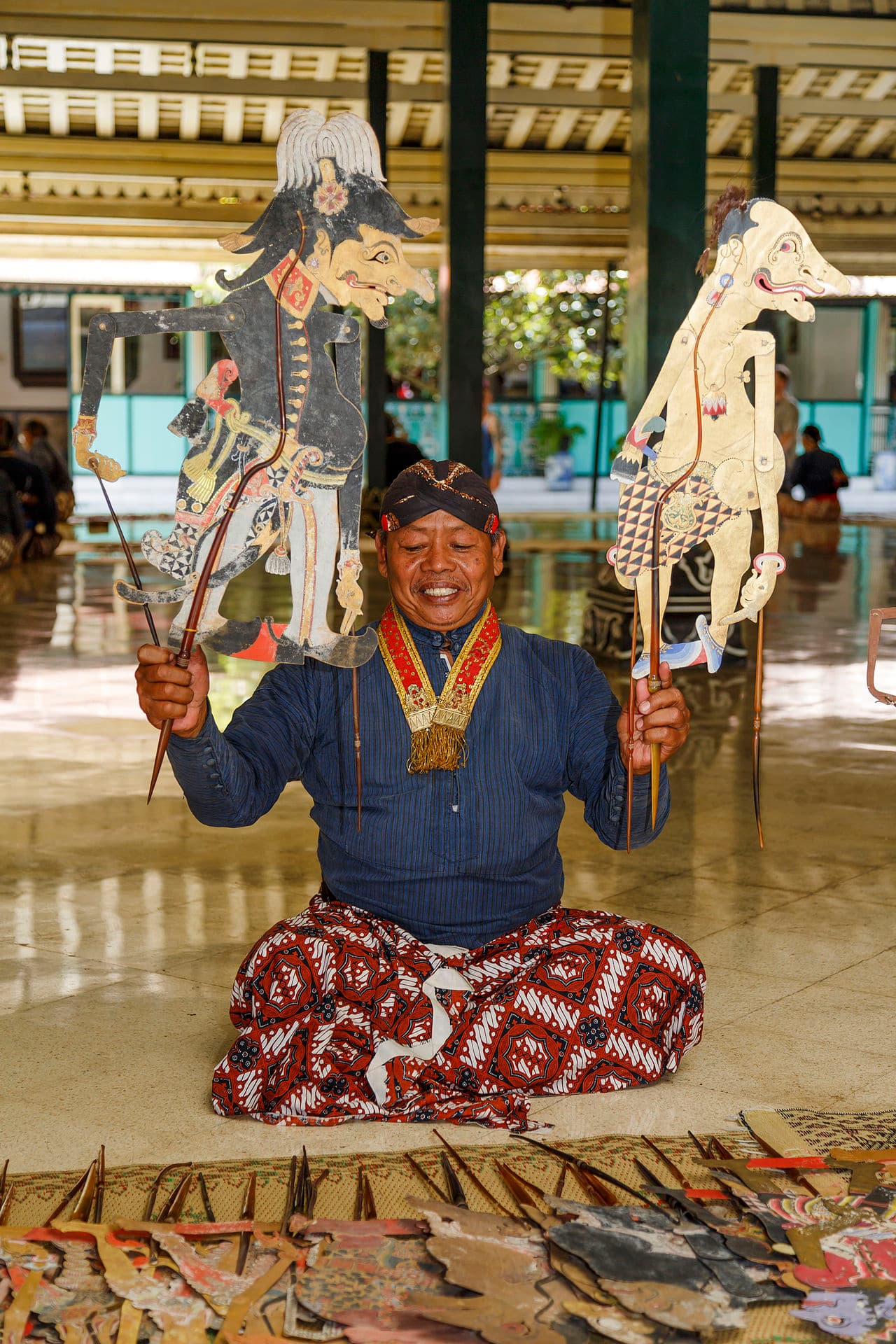
- The Kraton (Sultan's Palace) is a living museum of Javanese culture.
- It’s a student city, so it has a vibrant, youthful energy and cheap food.
- Traffic can be intense; GoJek or Grab bikes are your best friends.
If you want, you can open the search in a new tab via Aviasales. Реклама. Go Travel Un Limited. ИНН 9909520797
When to go: Dry season
The dry season (May-September) is the best time to visit. You'll have clear skies for temple views and climbing Merapi volcano.
The wet season (October-April) brings heavy afternoon downpours, but the countryside is lush and green.
- May-Sept: Best weather for temples.
- Ramadan: Many restaurants close during the day, but nights are festive.
- Vesak: Borobudur festival in May/June is spectacular.
Getting there: YIA Airport
The new Yogyakarta International Airport (YIA) is quite far from the city (about 45km). The best way to get to town is the airport train (KA Bandara), which takes about 40 minutes to Tugu Station. Taxis take much longer due to traffic.
Adisutjipto (JOG) is the old airport, now mostly for propeller planes.
- Train: Fastest way to city center.
- Damri Bus: Cheaper alternative.
- Taxi/Grab: Convenient but slow.
Where to stay: Malioboro or Prawirotaman
Malioboro is the heart of the action, close to the station and palace. It’s busy and noisy.
Prawirotaman is the 'backpacker village' south of the palace. It has a more relaxed vibe with cafes, pools, and tour agencies. It’s great for meeting other travelers.
- Malioboro: Central and chaotic.
- Prawirotaman: Chill and traveler-friendly.
- Hyatt Regency: Resort-style luxury on the outskirts.
What to see: Palaces and ruins
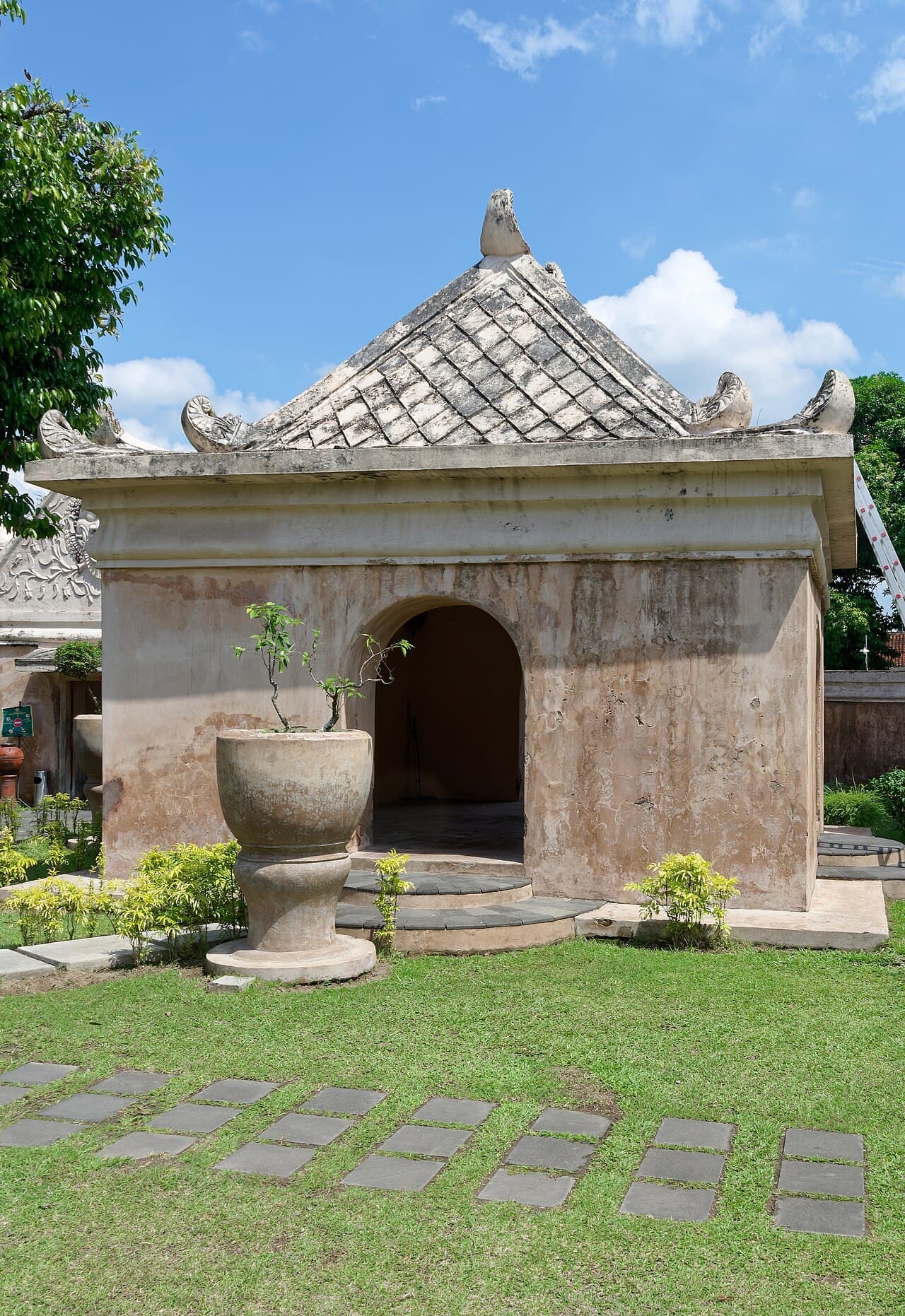
The Kraton is the Sultan's residence. Go in the morning to catch a traditional dance or gamelan performance. Nearby is Taman Sari, the Water Castle, a beautiful complex of pools and underground tunnels.
Borobudur (Buddhist) and Prambanan (Hindu) are the big draws. Both are UNESCO sites and absolutely stunning.
- Borobudur: Massive Buddhist temple (sunrise tour recommended).
- Prambanan: Towering Hindu temples.
- Taman Sari: The Water Castle.
- Mount Merapi: Active volcano jeep tours.
Food: Gudeg and street eats
Jogja is famous for Gudeg—a sweet jackfruit stew served with rice, egg, and chicken. It’s an acquired taste for some (it's very sweet), but a must-try. Yu Djum is a legendary spot for it.
Angkringan (street stalls) are everywhere, serving cheap rice packets (nasi kucing) and charcoal coffee (kopi joss) with a burning coal in it.
- Gudeg: The signature dish.
- Kopi Joss: Coffee with charcoal.
- Bakpia: Sweet bean-filled pastries (great souvenir).
Nature & Relax: Volcanoes and caves
Mount Merapi is one of the most active volcanoes in the world. You can take a jeep tour to see the aftermath of eruptions or hike up for sunrise (check safety levels first).
Jomblang Cave offers a 'light of heaven' photo op where sunlight streams into a sinkhole.
- Merapi: Volcano adventure.
- Jomblang Cave: Muddy but photogenic.
- Parangtritis Beach: Black sand and myths (don't swim, currents are dangerous).
Getting around: Ride apps
Grab and GoJek are essential. You can order a car or a motorbike taxi (ojek) cheaply. It’s the best way to beat the traffic.
TransJogja buses are decent for main routes. Becaks (cycle rickshaws) are fun for short distances but agree on a price first.
- Grab/GoJek: Download these apps.
- Becak: Traditional but slow.
- Walking: Only for short distances (sidewalks are hit or miss).
Budget: Very cheap
Yogyakarta is incredibly affordable. You can eat well for $2 and stay in a nice guesthouse for $15. Temple tickets for foreigners are the biggest expense (around $25-30).
Bargaining is expected at markets like Malioboro.
- Food: Extremely cheap.
- Accommodation: Great value.
- Temples: Expensive for foreigners.
3 Days in Jogja
Dedicate one day to each major temple and the third to the city itself.
Start early to beat the heat and crowds.
- Day 1: Borobudur sunrise and Merapi jeep tour.
- Day 2: Prambanan temple and Ramayana Ballet at night.
- Day 3: Kraton, Taman Sari, and batik shopping on Malioboro.
FAQ
Is it safe?
Yes, generally very safe. Be careful with your belongings in crowded areas and watch out for traffic.
Can I climb Borobudur?
Access to the top levels is now strictly regulated to preserve the stone. You need a special ticket and must wear special sandals.
What is Batik?
It's a traditional fabric dyeing technique using wax. Jogja is the best place to buy it or take a workshop.
Is alcohol available?
Yes, in tourist areas and hotels, but it's not as ubiquitous as in Bali. Beer is common.
Do people speak English?
In tourist areas, yes. Younger people often speak good English.