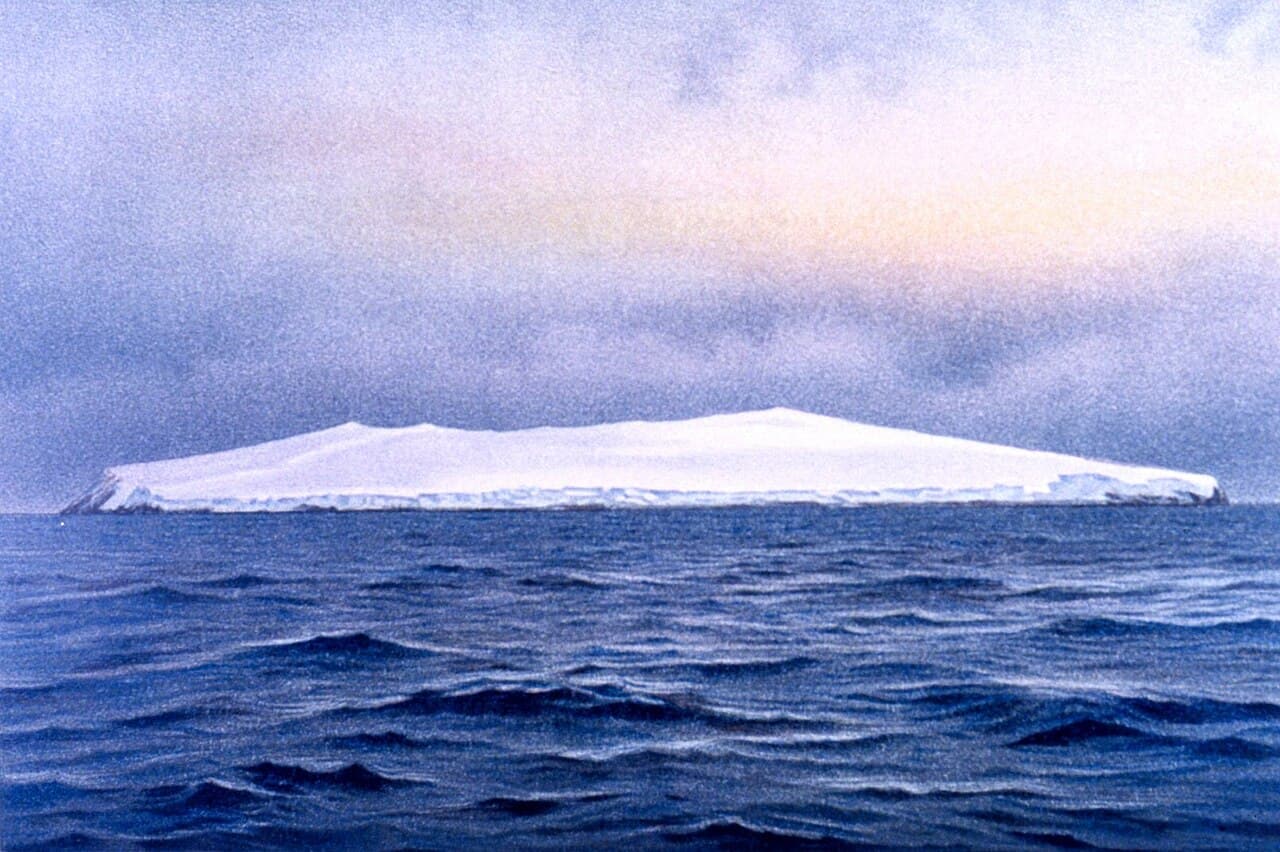
- When to Go: Austral Summer (December-February) is the only window, but weather is unpredictable.
- Budget: Astronomical. You need a dedicated expedition vessel or a helicopter.
- Visa: No visa, but permission from the Norwegian Polar Institute is required.
If you want, you can open the search in a new tab via Aviasales. Реклама. Go Travel Un Limited. ИНН 9909520797
Geography
93% of the island is covered by a glacier. The highest point is Olavtoppen (780m). There is no harbor or anchorage.
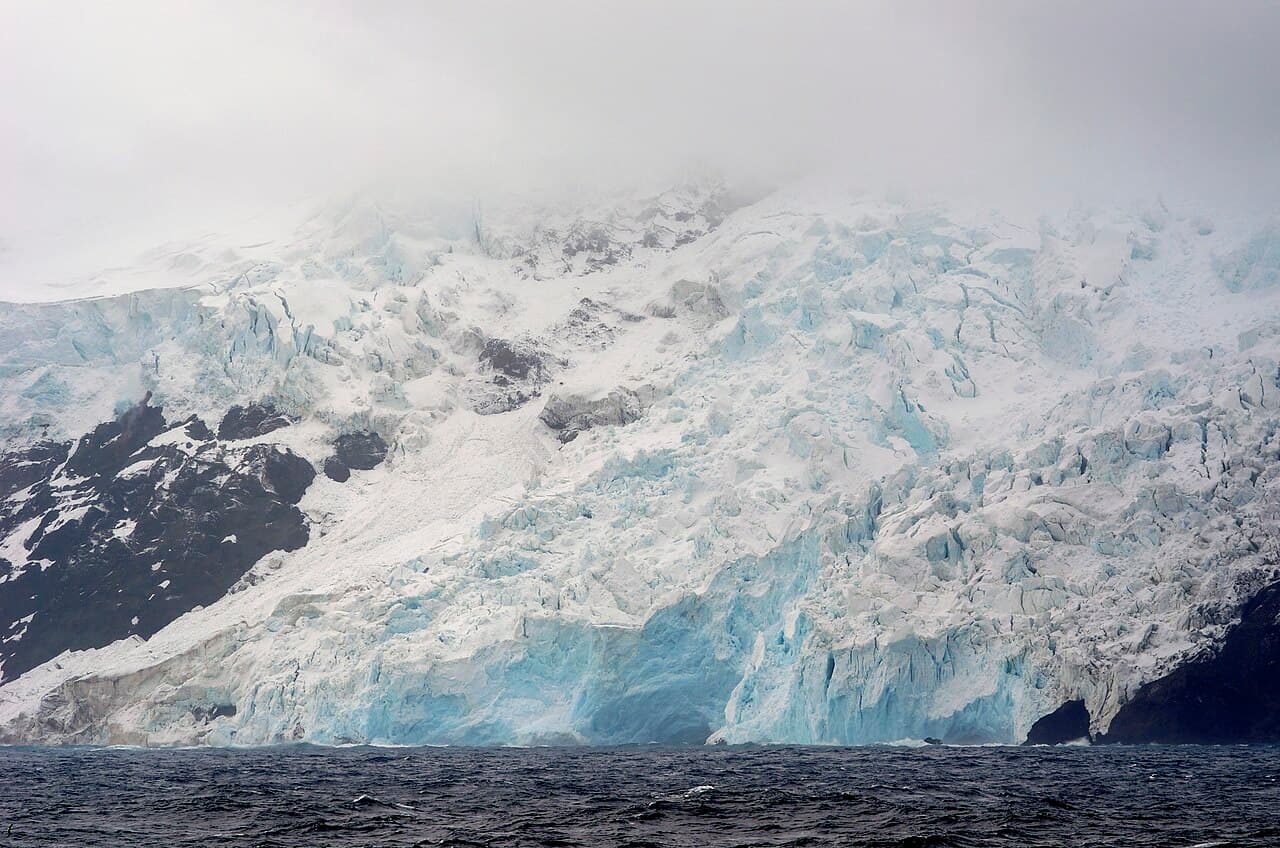
Wildlife
It's a breeding ground for seabirds (penguins, petrels) and seals (elephant seals, fur seals). The waters are rich in krill.
History
Discovered in 1739 by Jean-Baptiste Charles Bouvet de Lozier. It was a mystery island for years due to incorrect coordinates. In 1964, an abandoned lifeboat was found with no explanation.
FAQ
Can I visit?
Technically yes, but practically almost impossible. Very few humans have ever set foot on it.
Is there internet?
No. Only satellite phones work.
Why go?
To say you've been to the most isolated place on Earth. It's the 'Mount Everest' of remote islands.