- The 'Man Meets the Sea' sculpture (4 giant white men) is the iconic landmark.
- Take a 12-minute ferry to Fanø island—it's like stepping back in time with thatched cottages and huge beaches.
- The Fisheries and Maritime Museum is excellent (seals!).
- It's windy. Always. Bring a windbreaker.
- The Wadden Sea (Vadehavet) is a unique tidal ecosystem perfect for oyster safaris.
If you want, you can open the search in a new tab via Aviasales. Реклама. Go Travel Un Limited. ИНН 9909520797
When to go: Summer
Summer (June-August) is the best time. The days are long, and you can enjoy the beaches on Fanø. The wind is slightly less fierce.
Spring and Autumn are good for birdwatching in the Wadden Sea. Winter is dark, stormy, and cozy.
- Summer: Beach and island hopping.
- Spring/Autumn: Nature and birds.
- Winter: Storm watching.
Getting there: Train or EBJ
Esbjerg Airport (EBJ) has limited flights (mostly Aberdeen/Stavanger for oil workers). Billund Airport (BLL - Legoland) is the main hub, about 1 hour away by bus/car.
Trains from Copenhagen take about 3 hours. The station is in the center.
- Train: Scenic ride across Denmark.
- Billund Airport: Main international hub nearby.
- Car: Best for exploring the coast.
Where to stay: Center or Fanø
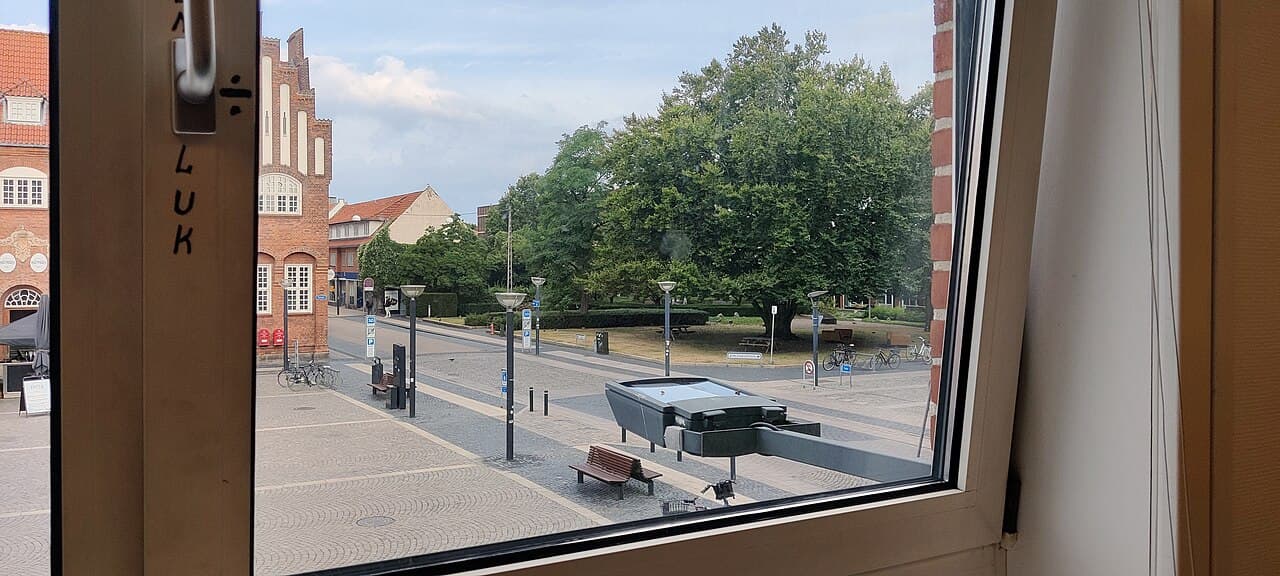
Stay in Esbjerg Center near the square (Torvet) for easy access to shops and the ferry. It's practical.
For a holiday vibe, stay on Fanø island in a holiday home or B&B. It's charming and quiet.
- Esbjerg Center: Practical, hotels.
- Fanø: Charming, beachy, historic.
- Hjerting: Seaside suburb with beach hotel.
What to see: Giants and Seals
Visit 'Man Meets the Sea' (Mennesket ved Havet)—it's impressive and great for photos. The Fisheries and Maritime Museum has a sealarium (feeding times are fun) and huge aquariums.
Take the ferry to Fanø. Rent a bike and ride on the beach (the sand is hard-packed).
- Man Meets the Sea: Iconic statues.
- Maritime Museum: Seals and history.
- Fanø: Island paradise.
- Wadden Sea Center: Architecture and nature.
Food: Seafood and Bakskuld
Try 'Bakskuld'—a local specialty of salted, dried, and smoked dab (fish), fried in butter. It's salty and rich. Seafood is generally excellent.
Esbjerg has a good range of cafes and restaurants around the main square.
- Bakskuld: Local smoked fish.
- Seafood: Fresh from the North Sea.
- Fanø Beer: Local brewery on the island.
Getting around: Bike and Bus
Esbjerg is flat (but windy). Biking is popular. Buses cover the city and suburbs.
The ferry to Fanø runs constantly (every 20 mins). You can take your car or bike.
- Bike: Good paths, watch the wind.
- Bus: Reliable.
- Ferry: Essential for Fanø.
Budget: Danish Prices
Denmark is expensive. Esbjerg is slightly cheaper than Copenhagen, but food and accommodation are still pricey.
Nature (beaches, statues) is free.
- Food: High prices.
- Transport: Moderate.
- Nature: Free.
1-2 Days in Esbjerg
Day 1: Esbjerg. Visit Man Meets the Sea and the Maritime Museum. Walk around the harbor and city center. Dinner near the square.
Day 2: Fanø. Take the ferry. Rent a bike. Visit Nordby and Sønderho (voted Denmark's most beautiful village). See the seals on the sandbanks.
- Day 1: Giants and seals.
- Day 2: Island life.
- Evening: Sunset on the beach.
FAQ
Why are the men white?
The statues are made of white concrete to stand out against the blue sea and sky. They represent the meeting of pure man with nature.
Can I drive on the beach?
On Fanø, yes! There is a 'beach highway' between Nordby and Sønderho. Just watch the tide.
What is the Wadden Sea?
It's a UNESCO World Heritage site—a massive tidal flat system crucial for migratory birds. You can walk on the seabed at low tide (with a guide!).